WebSockets vs. Server-Sent Events vs. Long Polling: Architectural Deep Dive
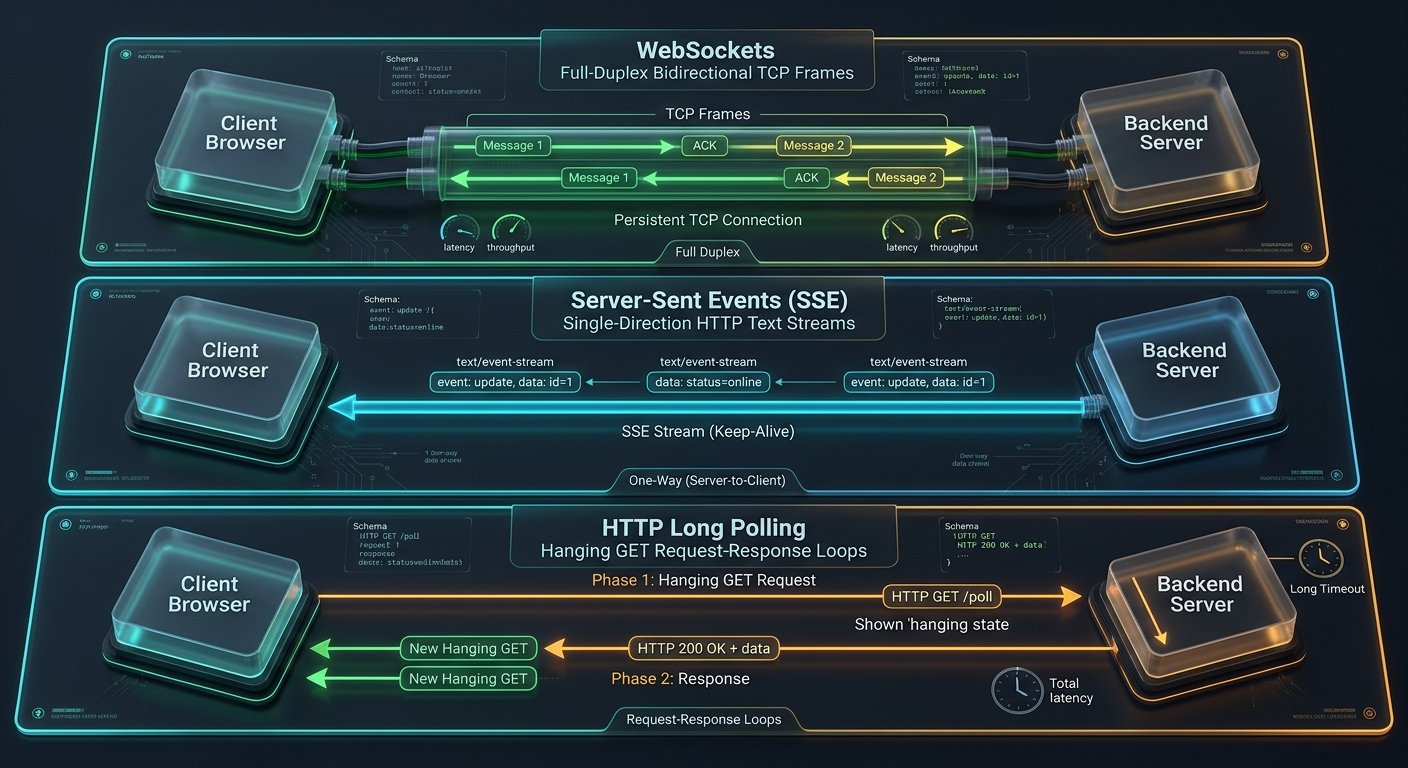
WebSockets vs. Server-Sent Events (SSE) vs. Long Polling

WebSockets vs. Server-Sent Events vs. Long Pollingweb applications demand instantaneous data updates. Whether powering collaborative document editing, live sports scoreboards, real-time telemetry dashboards, or streaming AI chatbot responses, users expect interfaces to update without manual page refreshes. However, building reliable, scalable real-time communication channels requires choosing the right underlying transport protocol. Engineers evaluating WebSockets vs Server-Sent … Read more
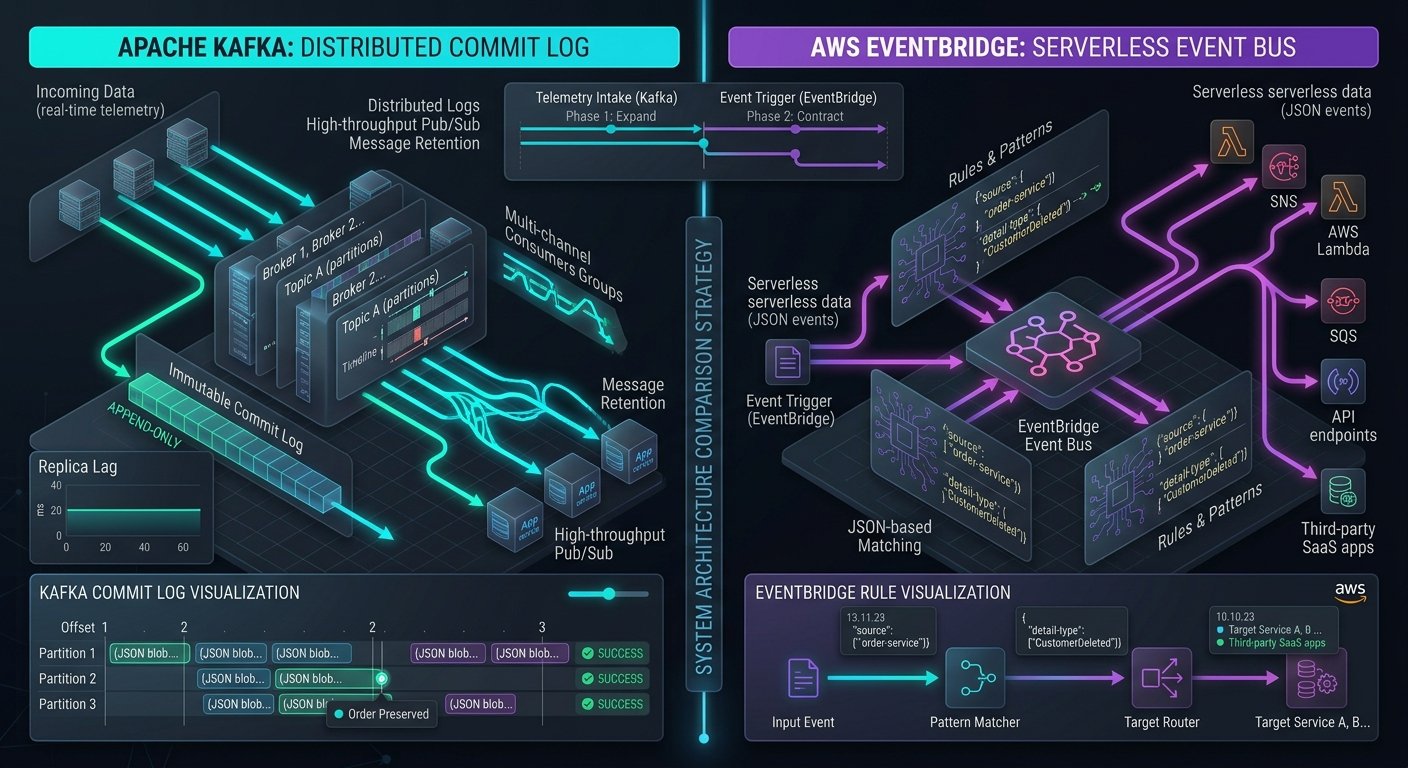
Designing Event-Driven Architectures: Apache Kafka vs. AWS EventBridge

Designing Event-Driven Architectures

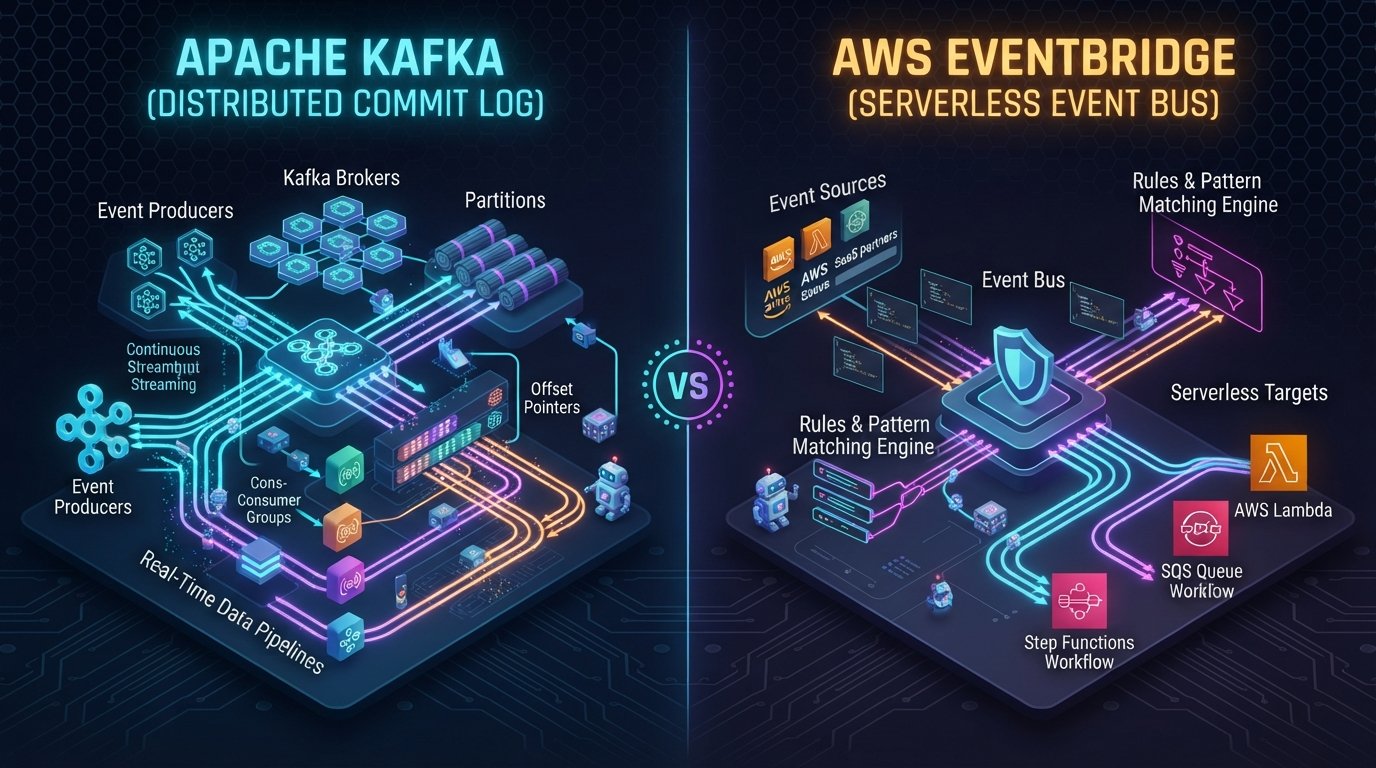
Designing Event-Driven Architectures: Apachevs. AWS ,modern distributed systems rely heavily on asynchronous event-driven architectures (EDA) to decouple services,enhance fault tolerance, and scale applications dynamically. When designing these systems, architects frequently encounter a fundamental tooling choice: should they deploy a distributed event streaming platform like Apache Kafka,or leverage a fully managed, serverless event router like AWS EventBridge? While both technologies facilitate event-driven patterns, … Read more

How to Design Zero-Downtime Database Migrations in High-Traffic Systems

How to Design Zero-Downtime Database

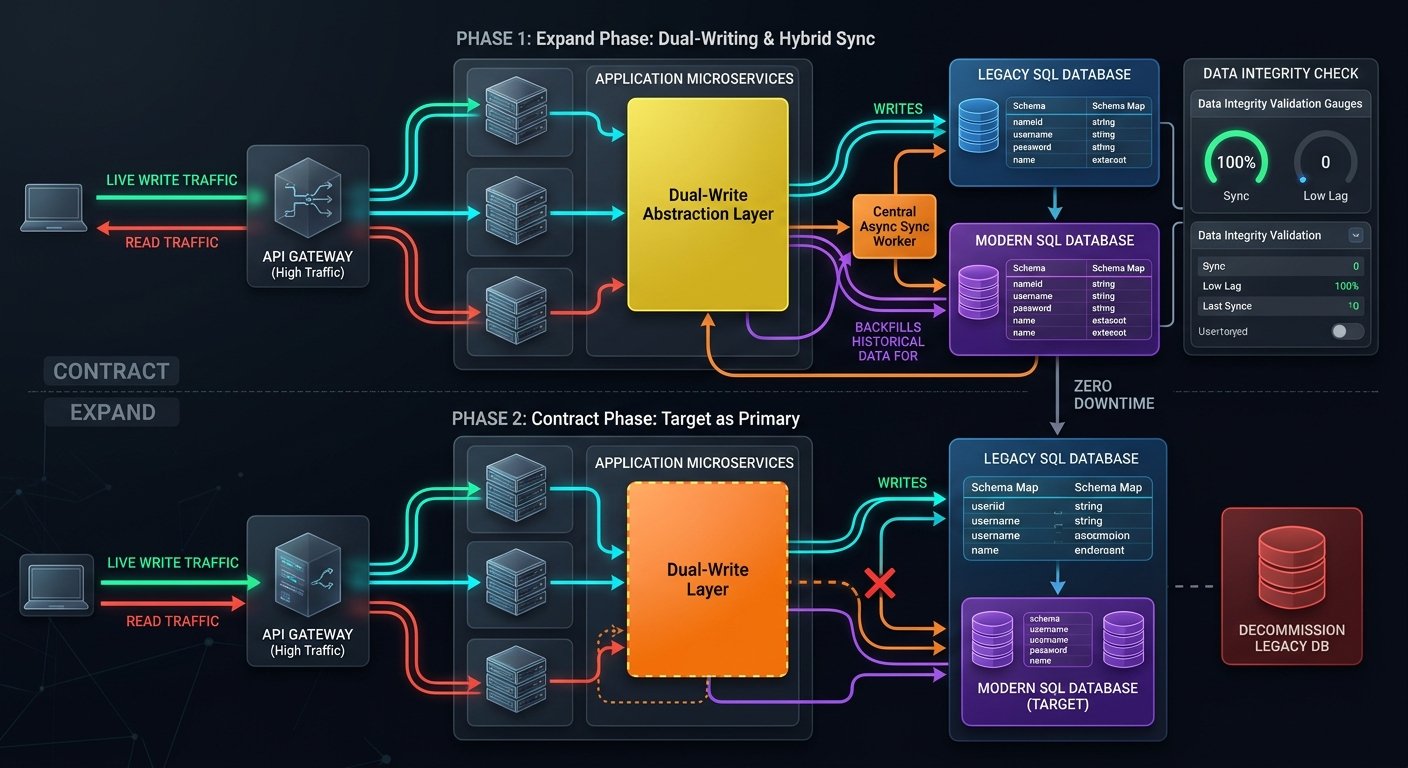
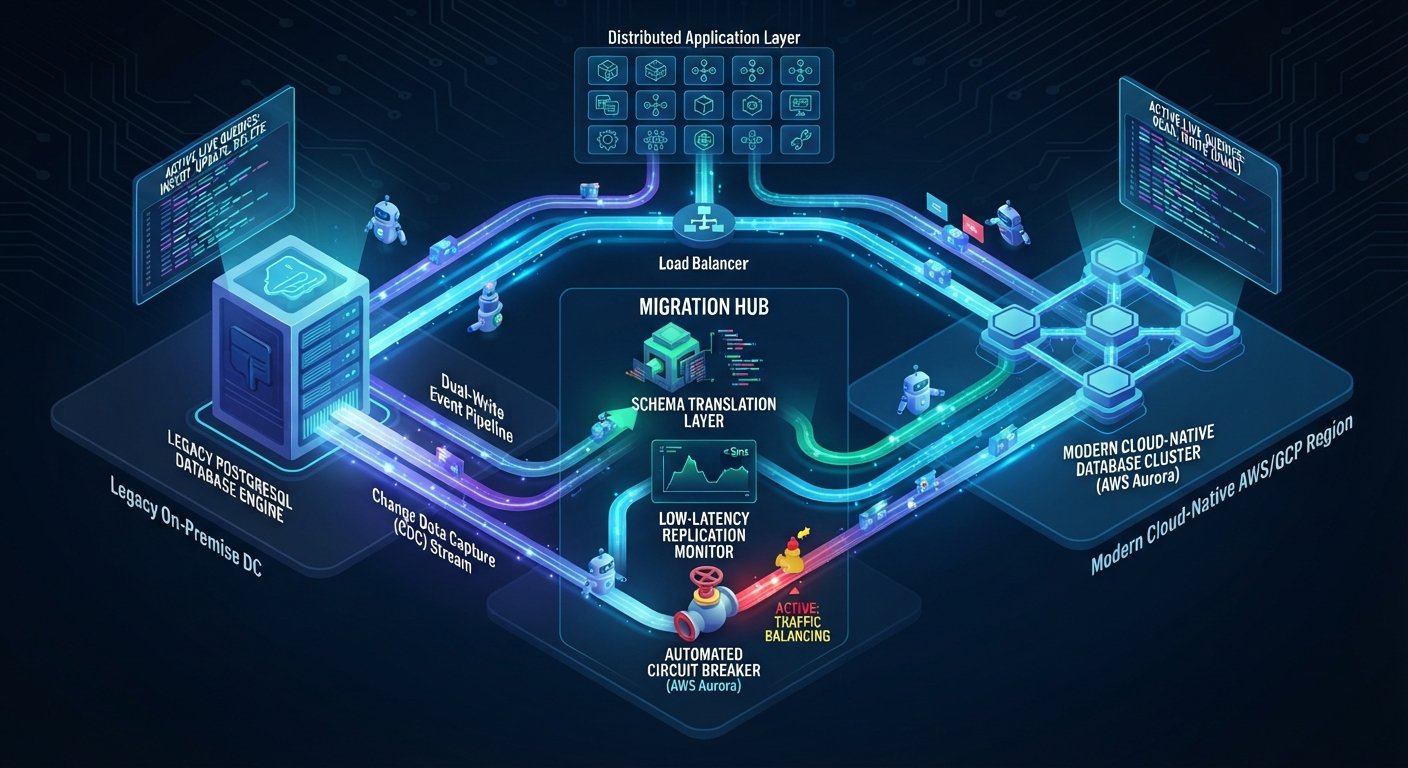
Executing schema updates or data model modifications in low-traffic or staging environments is straightforward: brief maintenance windows and exclusive table locks are acceptable trade-offs. However, in production microservices processing thousands of read/write transactions per second, taking a database offline for schema updates is unacceptable. A single blocking table lock can exhaust application connection pools, trigger cascading system failures,and breach strict availability … Read more

Understanding Database Indexing: B-Trees, Hash Indexes, and GiST Explained

Understanding Database Indexing

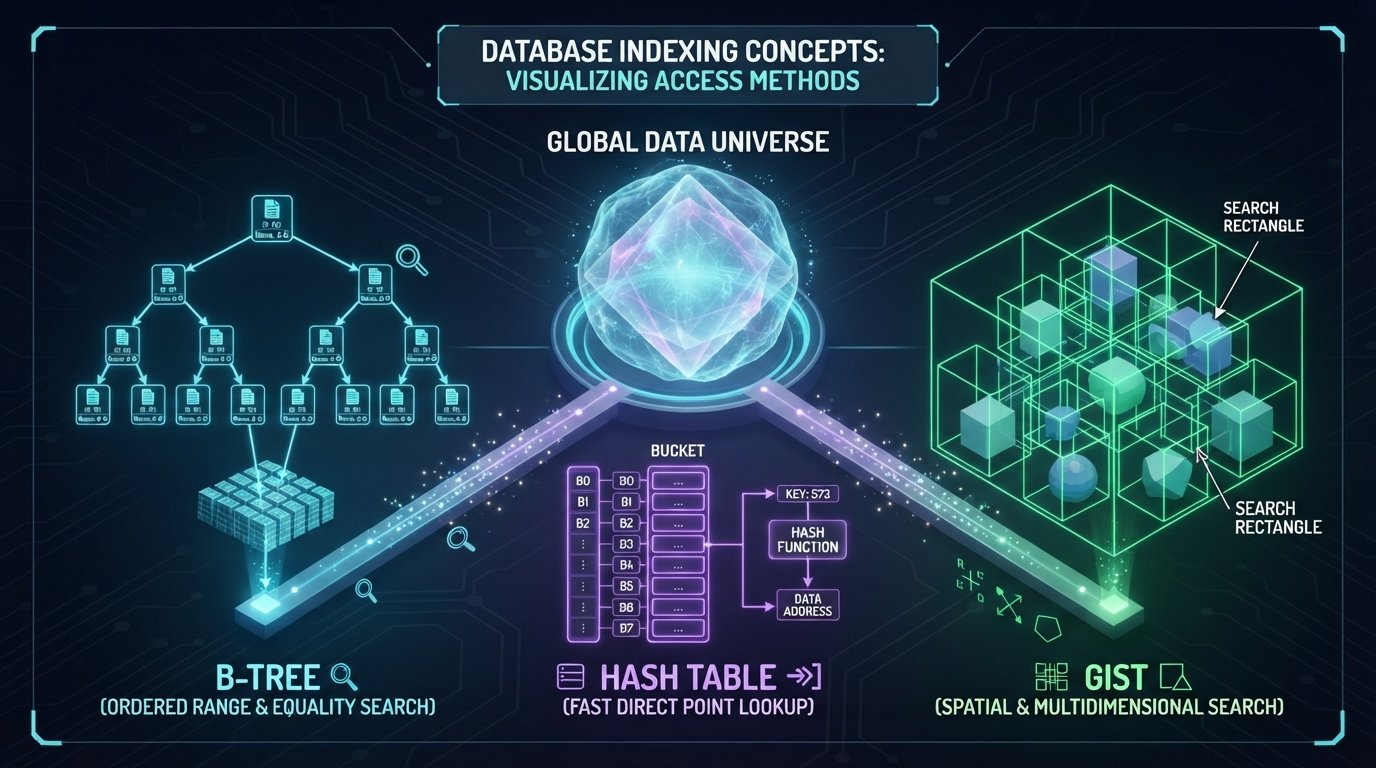
Database performance can make or break an application as data volume scales. When a database executes a query without an index, it performs a sequential scan—reading every single page on disk to locate matching rows. On tables with millions of records, this results in unacceptably high latency, high CPU usage, and I/O bottlenecks.Understanding Database Indexing. … Read more

How to Prevent and Remediate OWASP Top 10 Security Risks in Node.js

Prevent and Remediate OWASP

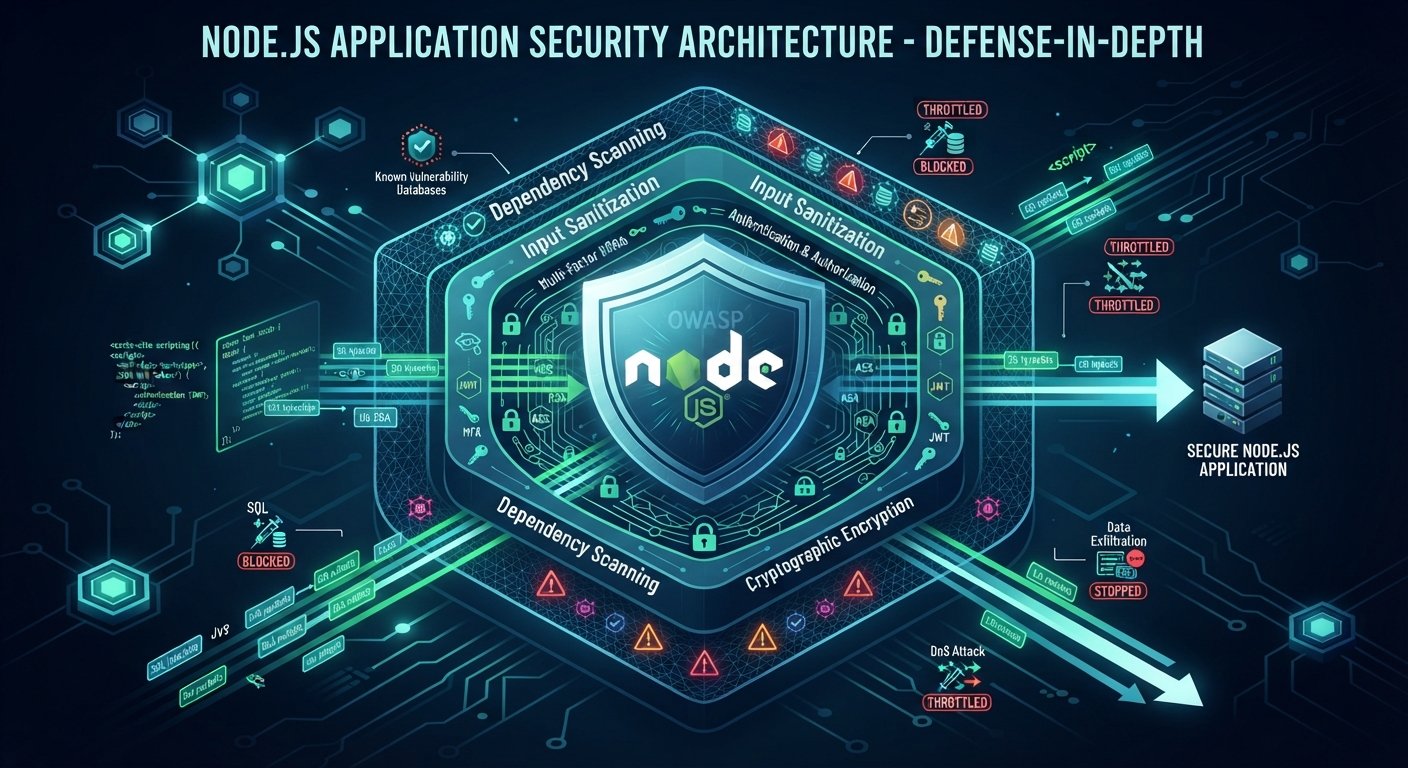
Node.js has become the backbone of modern web applications, microservices, and serverless architectures due to its asynchronous, event-driven runtime. However, its speed and modular ecosystem introduce a broad attack surface. Unhandled asynchronous exceptions, vulnerable npm packages, and flawed access control logic can expose enterprise applications to catastrophic security breaches. How to prevent and remediate OWASP … Read more

Implementing Rate Limiting and Throttling Algorithms in Microservices

Implementing Rate Limiting and Throttling Algorithms

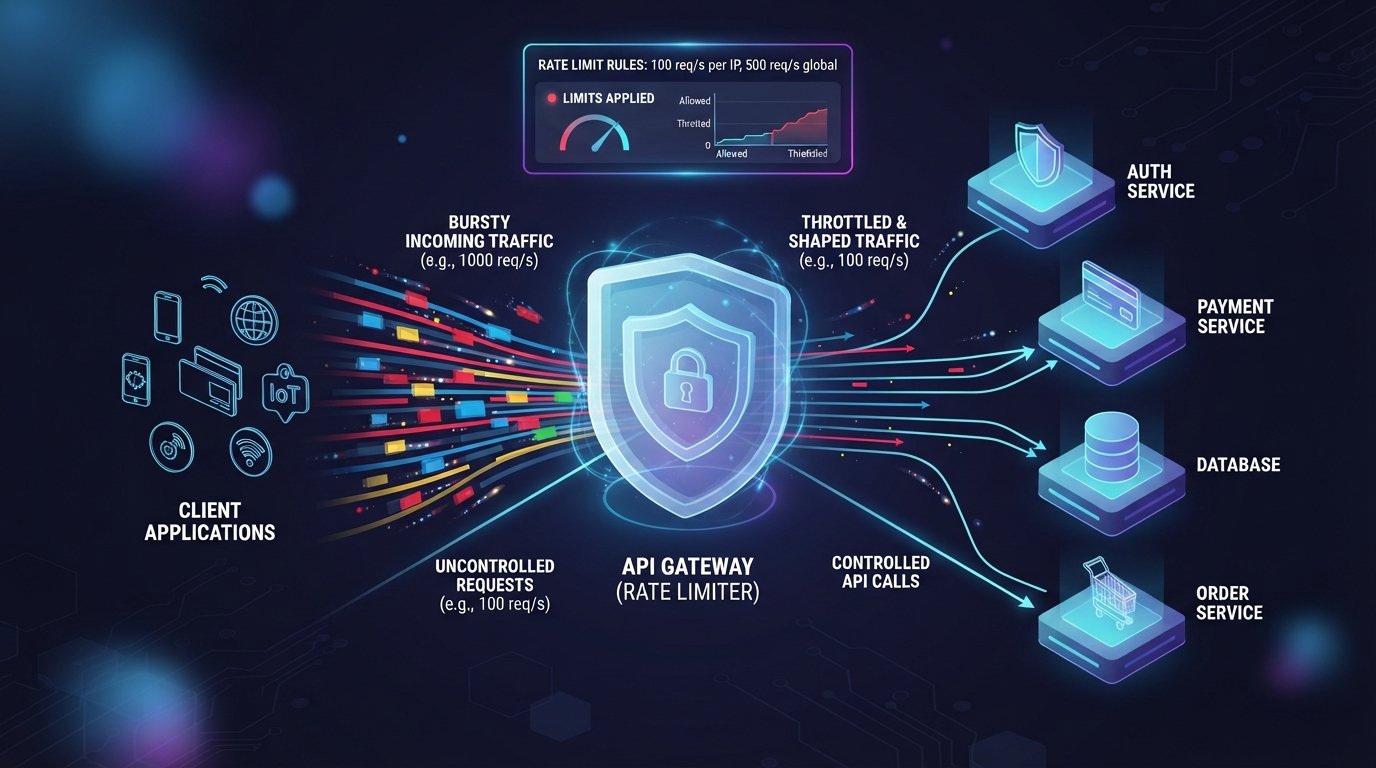
Implementing Rate Limiting and Throttling Algorithms In distributed backend architectures, system stability hinges on how gracefully services handle traffic spikes. Uncontrolled API traffic—whether from legitimate user surges, aggressive web scrapers, or distributed denial-of-service (DDoS) attacks—can exhaust database pools, degrade latency, and trigger cascading service failures across your infrastructure. Implementing rate limiting and throttling algorithms in … Read more

Designing Event-Driven Architecture: Apache Kafka vs. AWS EventBridge

Event-Driven Architecture

Modern distributed software systems rely heavily on decoupled, asynchronous communication to maintain high availability and elasticity. Event-Driven Architecture (EDA) replaces rigid, synchronous REST or gRPC HTTP chains with an asynchronous model where independent microservices react to events published into an intermediary message backbone. However, choosing the right infrastructure backbone for event-driven systems is critical. Selecting … Read more

How to Design Zero-Downtime Database Migration in High-Traffic Systems

Zero-Downtime Database Migration

Executing schema changes or migrating database engines in high-traffic applications is one of the most operationally sensitive challenges in software engineering. In low-traffic legacy applications, operations teams could schedule weekend maintenance windows, set the system to read-only, dump the database, apply schema migrations, and point application instances to the new target. However, in modern global … Read more

How to Choose the Right Tech Stack for a Scalable Web Application

choose the right tech stack for a scalable web application

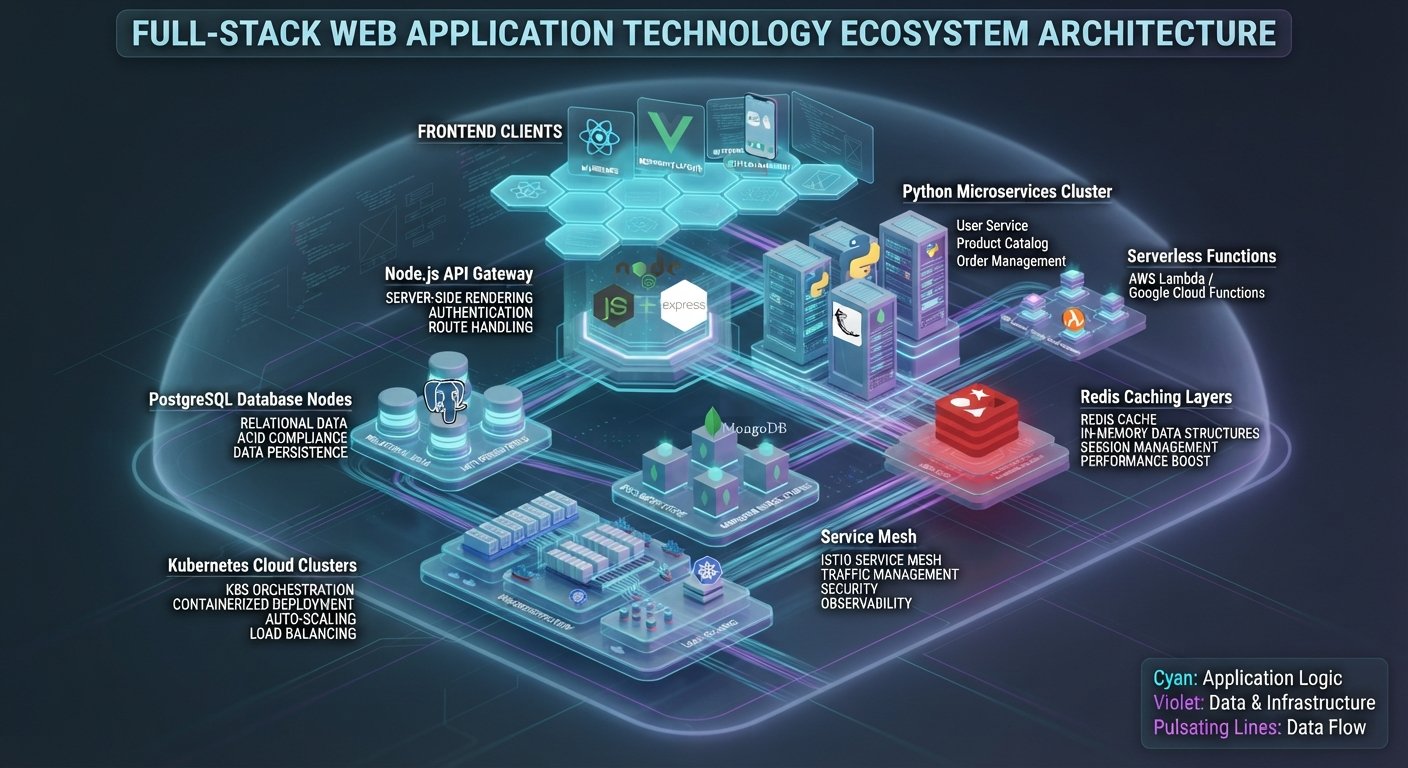
Selecting the technology foundation for a digital product is one of the most critical decisions a software engineering team or CTO will make. The choices made during early architectural planning dictate platform performance, developer velocity, maintenance overhead, and hosting costs for years to come. Understanding how to choose the right tech stack for a scalable … Read more

Building Progressive Web Apps (PWAs): Best Practices and Architecture Overview

Building Progressive Web Apps

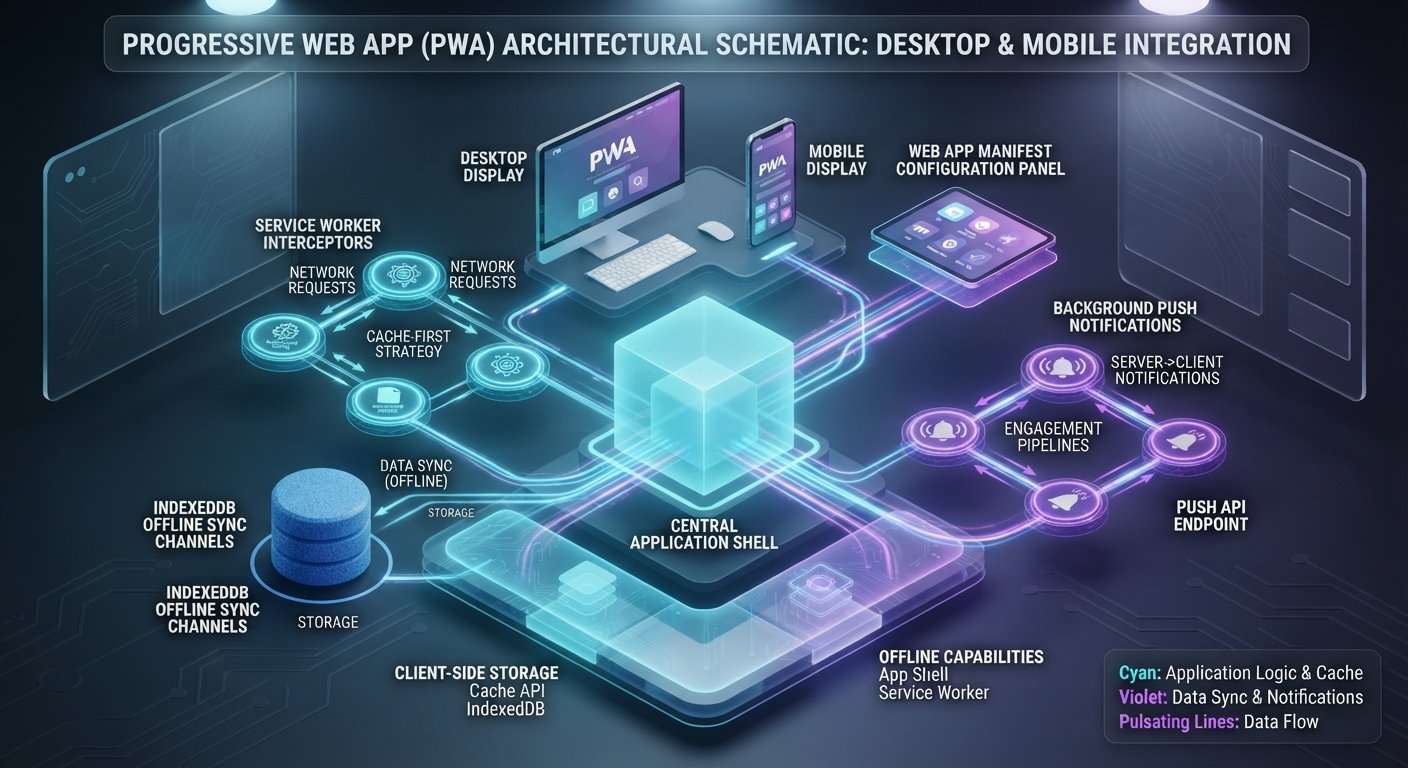
Progressive Web Apps (PWAs) have transformed cross-platform software delivery by combining the global discoverability of web applications with the native user experience of mobile and desktop software. Rather than maintaining separate codebases for iOS, Android, and web, developers can deliver high-performance, offline-ready applications through a single modern web codebase. A comprehensive breakdown of building progressive … Read more