How to Clean Up Docker Images, Containers, and Volumes to Free Disk Space
Clean Up Docker Images, Containers, and Volumes

As you build, test, and deploy applications using containerization, your local workstation or production server quickly accumulates hidden storage bloat. Every time you build a container image, pull updates, or spin up microservices,Docker caches layers, leaves behind stopped containers, and retains persistent volumes that linger long after their parent containers have been deleted. Over time, this unmanaged data consumes gigabytes—or even terabytes—of disk space, eventually triggering … Read more
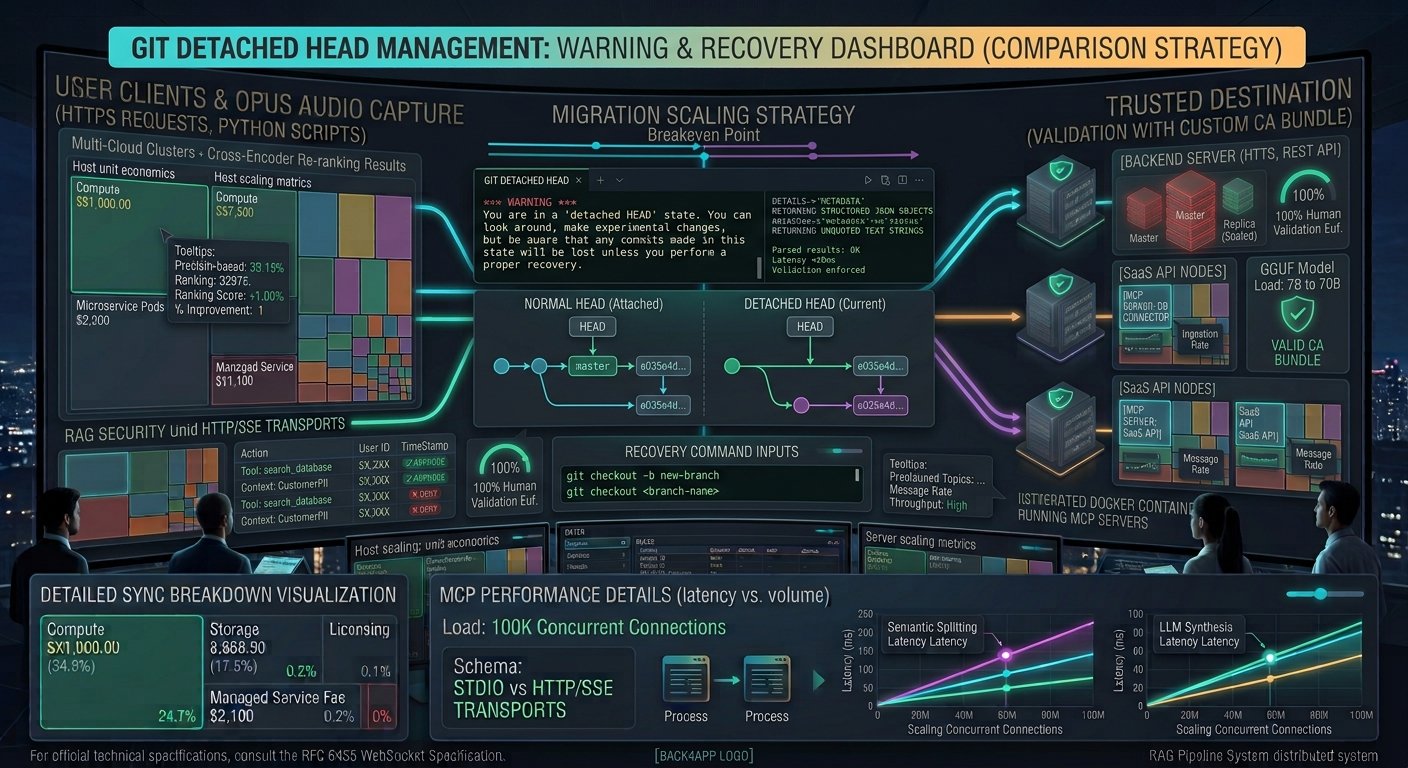
How to Resolve Git Detached HEAD State and Save Your Commits

How to Resolve Git Detached HEAD State

Encountering the dreaded warning message—You are in a ‘detached HEAD’ state—while running standard Git commands can instantly cause panic. Whether you checked out a specific historical commit hash to test a bug or accidentally switched to a tag, finding yourself disconnected from any local branch means that any new commits you write are floating untethered and risk … Read more

How to Extract and Parse JSON Data inside PostgreSQL Queries

How to Extract and Parse JSON Data

How to Extract and Parse JSON Data. Modern software applications often rely on flexible, semi-structured data formats like JSON to handle dynamic schemas, third-party API payloads, and user preferences. However, storing unstructured text in a relational database is only half the battle; developers and data engineers must be able to query, extract, and parse that data efficiently without sacrificing relational integrity. PostgreSQL … Read more

How to Optimize Latency in Real-Time WebRTC Audio Streaming Systems

 How to Optimize Latency in Real-Time WebRTC

Real-time audio streaming powers modern interactive experiences, including collaborative voice spaces, multi-player gaming chat, virtual classrooms, and low-latency generative AI voice assistants. While WebSockets or HTTP/2 streams are sufficient for text and lightweight telemetry, sub-100ms conversational audio demands a robust UDP-backed peer-to-peer or selective forwarding architecture. However, simply establishing a WebRTC session does not guarantee … Read more

How to Fix “SSL: CERTIFICATE_VERIFY_FAILED” Errors in Python Requests

How to Fix SSL CERTIFICATE_VERIFY_FAILED Errors

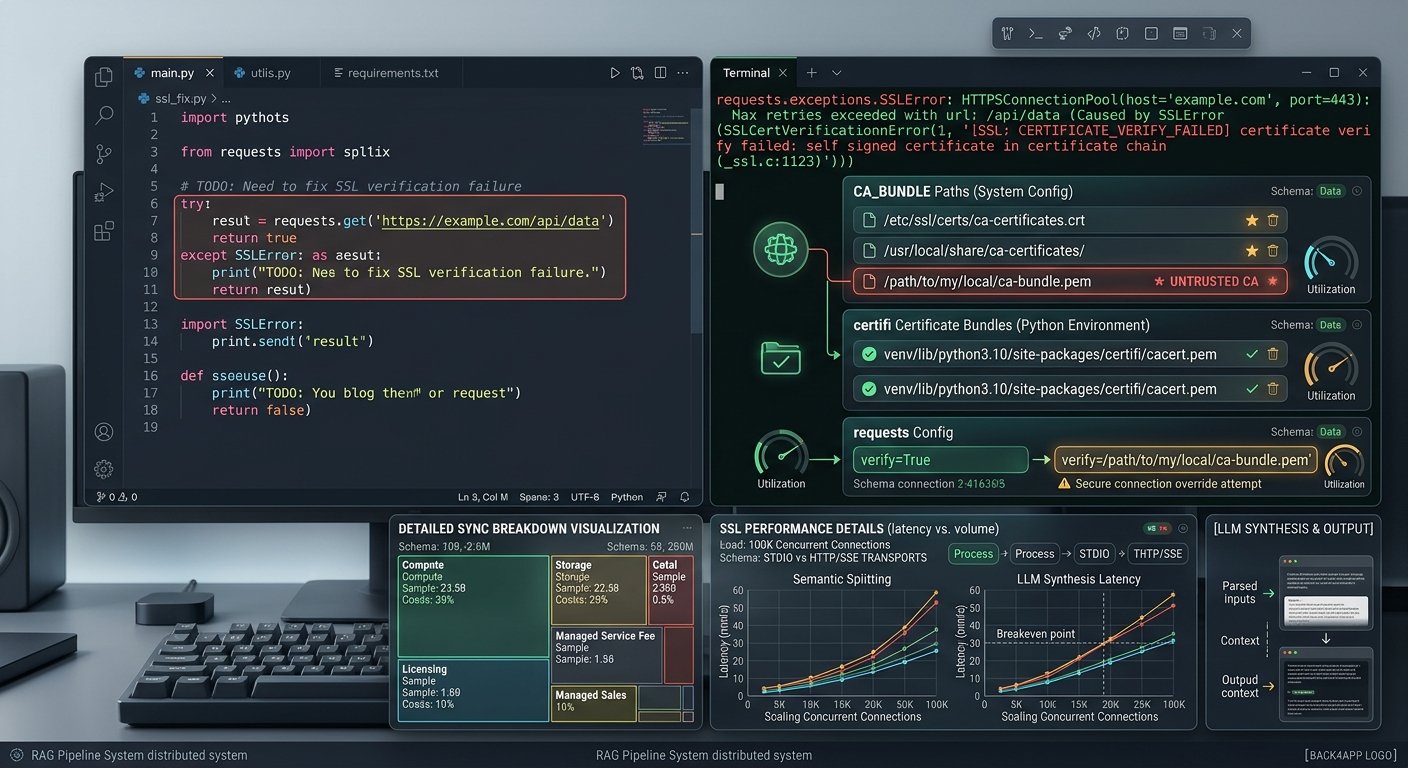
Encountering an SSLError: [SSL: CERTIFICATE_VERIFY_FAILED] while writing Python web scrapers, automation scripts, or API integrations can instantly halt your workflow. This error occurs when Python’s underlying transport layer cannot cryptographically verify the SSL/TLS certificate presented by the target server. It acts as a crucial security measure to protect your environment from man-in-the-middle (MITM) attacks, but it frequently triggers false positives due to … Read more

How to Deploy Local LLMs on Edge Devices and Private Servers Using Ollama & vLLM

How to Deploy Local LLMs on Edge Devices

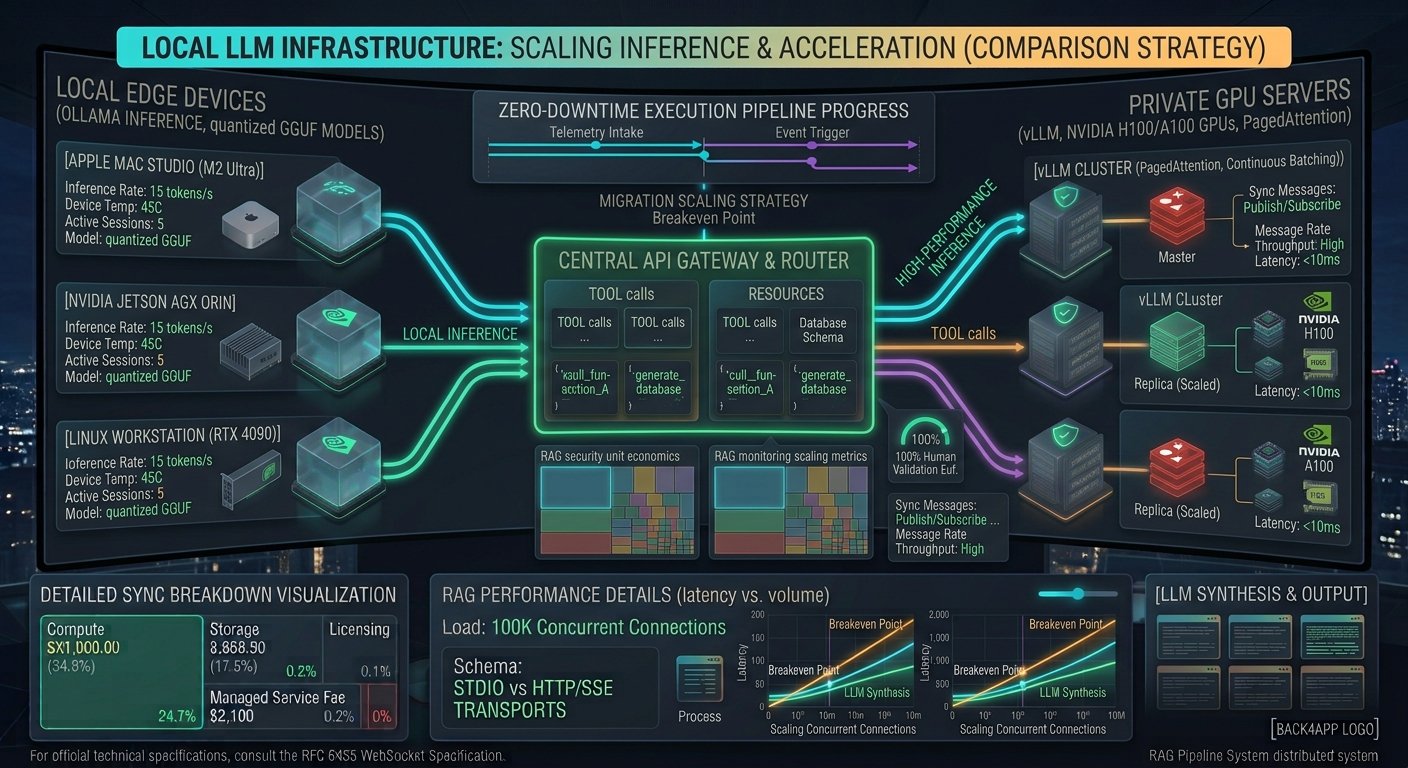
Relying exclusively on commercial cloud LLM APIs presents significant challenges for enterprise software teams:unpredictable token pricing, strict data privacy regulations (GDPR, HIPAA, SOC 2), latency overhead, and network reliance. As open-weight models (such as Llama 3, Mistral, and DeepSeek) approach or surpass proprietary models on specialized tasks, hosting open-weight models internally has become a primary infrastructure objective. Learning how to deploy local LLMs on edge … Read more

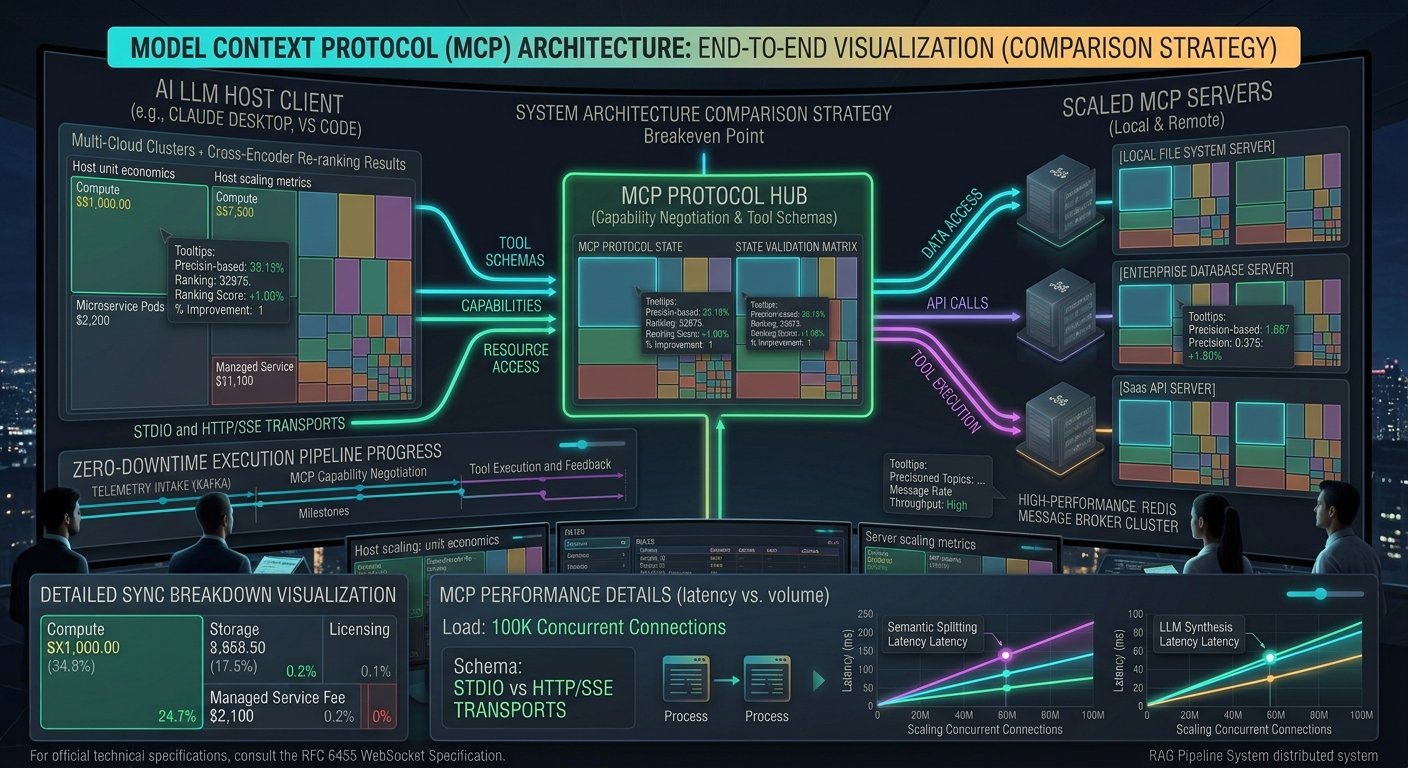
Model Context Protocol (MCP) Integration Guide: Connecting LLMs to Custom Data Sources

Model Context Protocol (MCP) Integration Guide

Connecting Large Language Models (LLMs) to private corporate databases, local file systems, and internal SaaS APIs historically required building fragmented, custom integration code for every tool and platform. Developers were forced to write bespoke function-calling wrappers, maintain ad-hoc REST clients, and continuously refactor integrations whenever host applications or foundation models updated. The Model Context Protocol (MCP)—originally introduced by Anthropic as an open … Read more

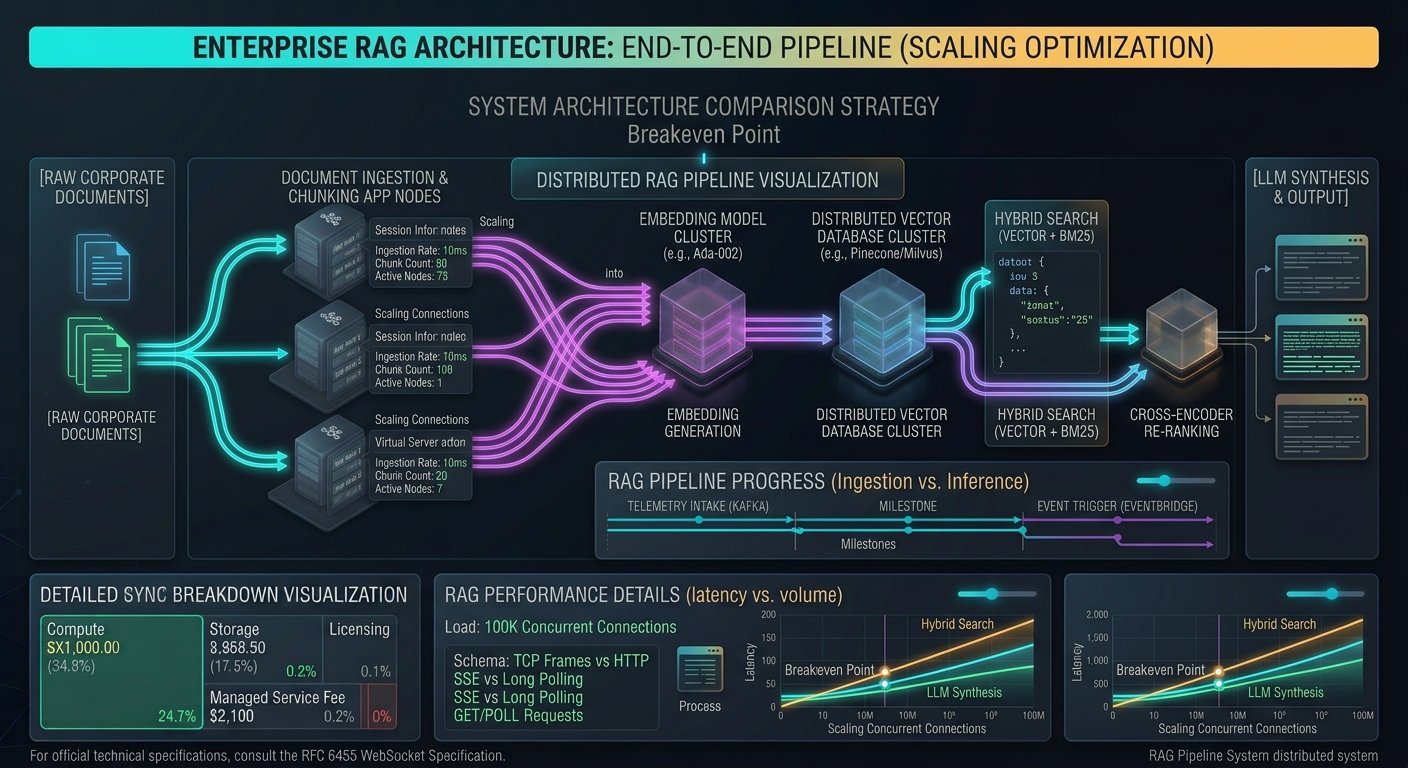
How to Build an Enterprise Retrieval-Augmented Generation Pipeline with Vector Databases

How to Build an Enterprise Retrieval-Augmented Generation Pipeline

Enterprise Retrieval-Augmented Generation Pipelines building a proof-of-concept Retrieval-Augmented Generation (RAG) chatbot over a small folder of PDFs is straightforward. However, scaling that prototype into a production-grade enterprise system handling terabytes of messy internal documentation, strict security compliance, and low-latency response requirements is an entirely different challenge. Enterprise users demand accuracy, deterministic grounding, and zero data leakage. Mastering how to build an enterprise Retrieval-Augmented … Read more

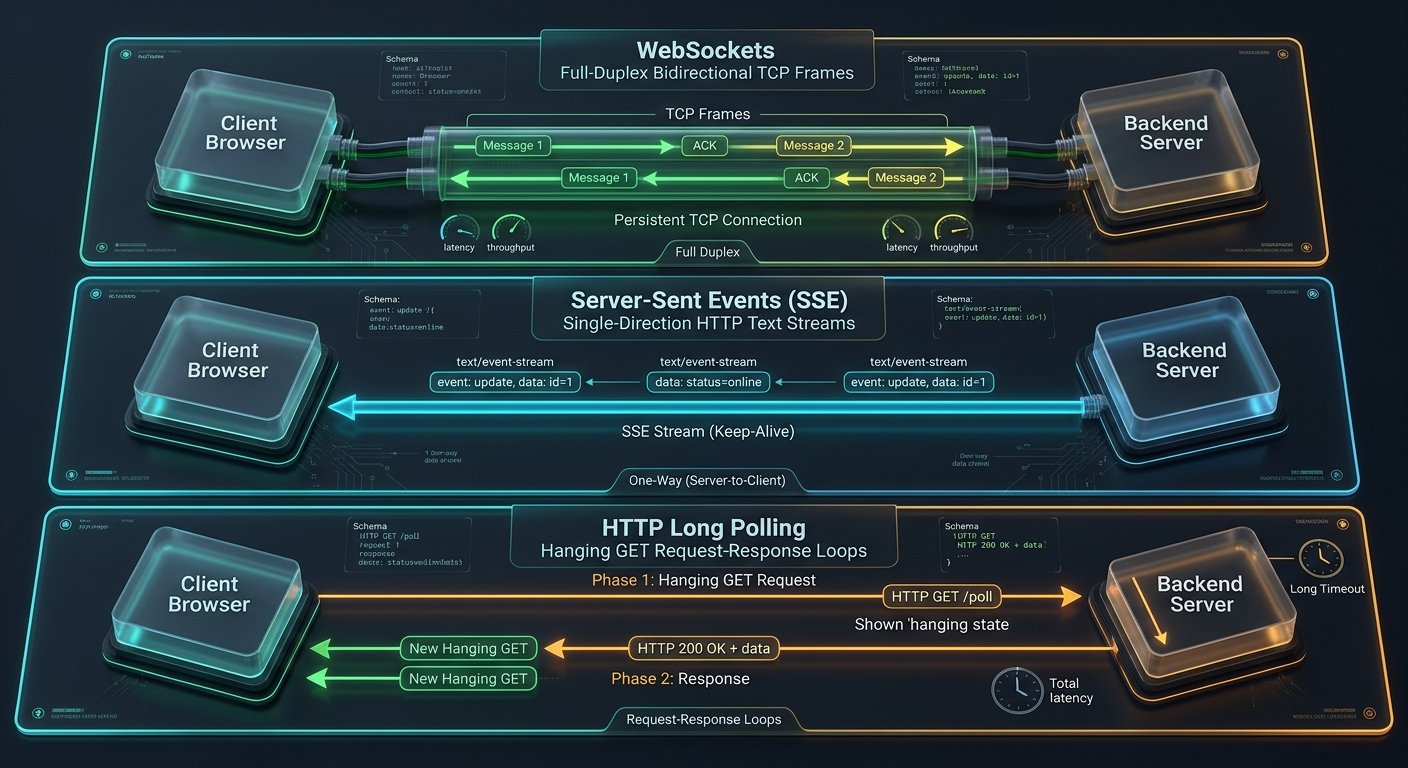
WebSockets vs. Server-Sent Events vs. Long Polling: Architectural Deep Dive

WebSockets vs. Server-Sent Events (SSE) vs. Long Polling

WebSockets vs. Server-Sent Events vs. Long Pollingweb applications demand instantaneous data updates. Whether powering collaborative document editing, live sports scoreboards, real-time telemetry dashboards, or streaming AI chatbot responses, users expect interfaces to update without manual page refreshes. However, building reliable, scalable real-time communication channels requires choosing the right underlying transport protocol. Engineers evaluating WebSockets vs Server-Sent … Read more

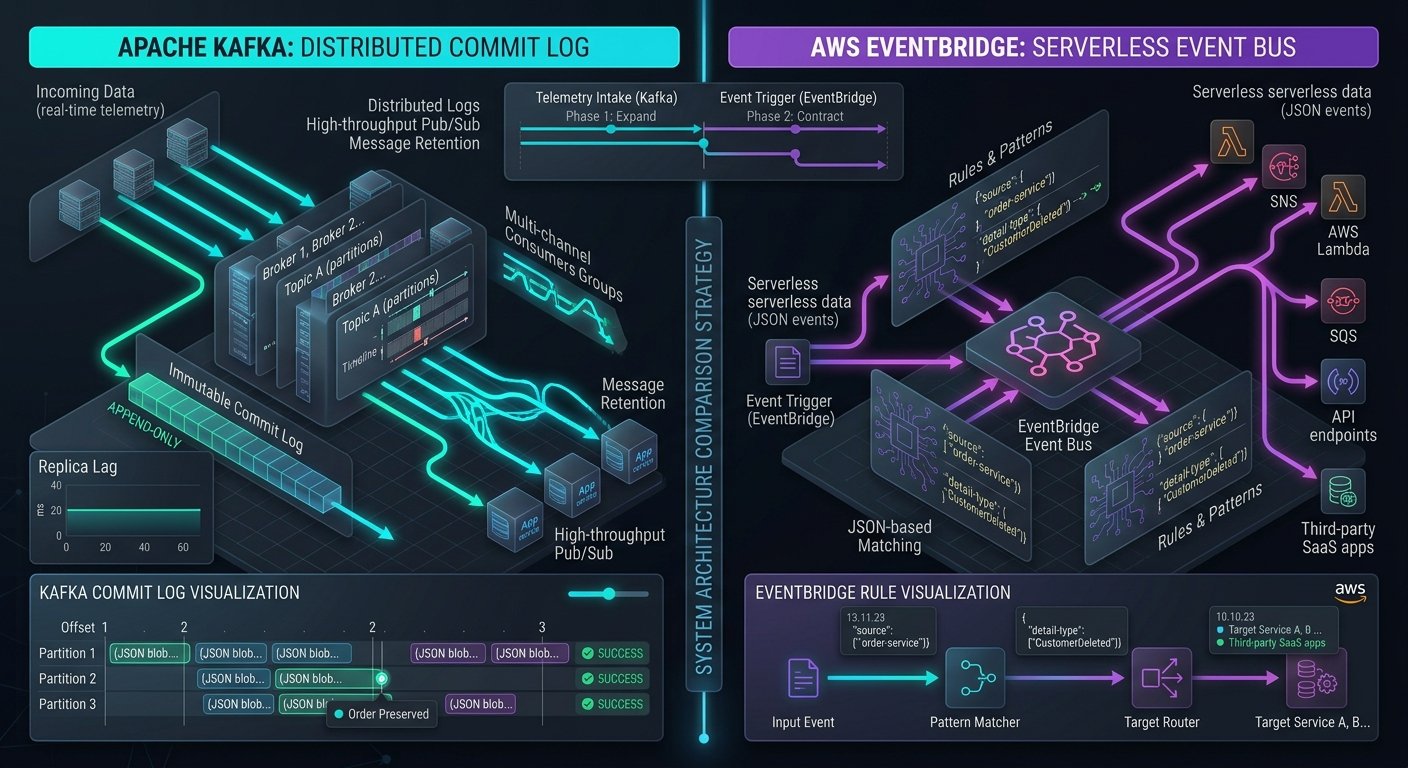
Designing Event-Driven Architectures: Apache Kafka vs. AWS EventBridge

Designing Event-Driven Architectures

Designing Event-Driven Architectures: Apachevs. AWS ,modern distributed systems rely heavily on asynchronous event-driven architectures (EDA) to decouple services,enhance fault tolerance, and scale applications dynamically. When designing these systems, architects frequently encounter a fundamental tooling choice: should they deploy a distributed event streaming platform like Apache Kafka,or leverage a fully managed, serverless event router like AWS EventBridge? While both technologies facilitate event-driven patterns, … Read more