Model Context Protocol integration guide: Connecting LLMs to Custom Data Sources
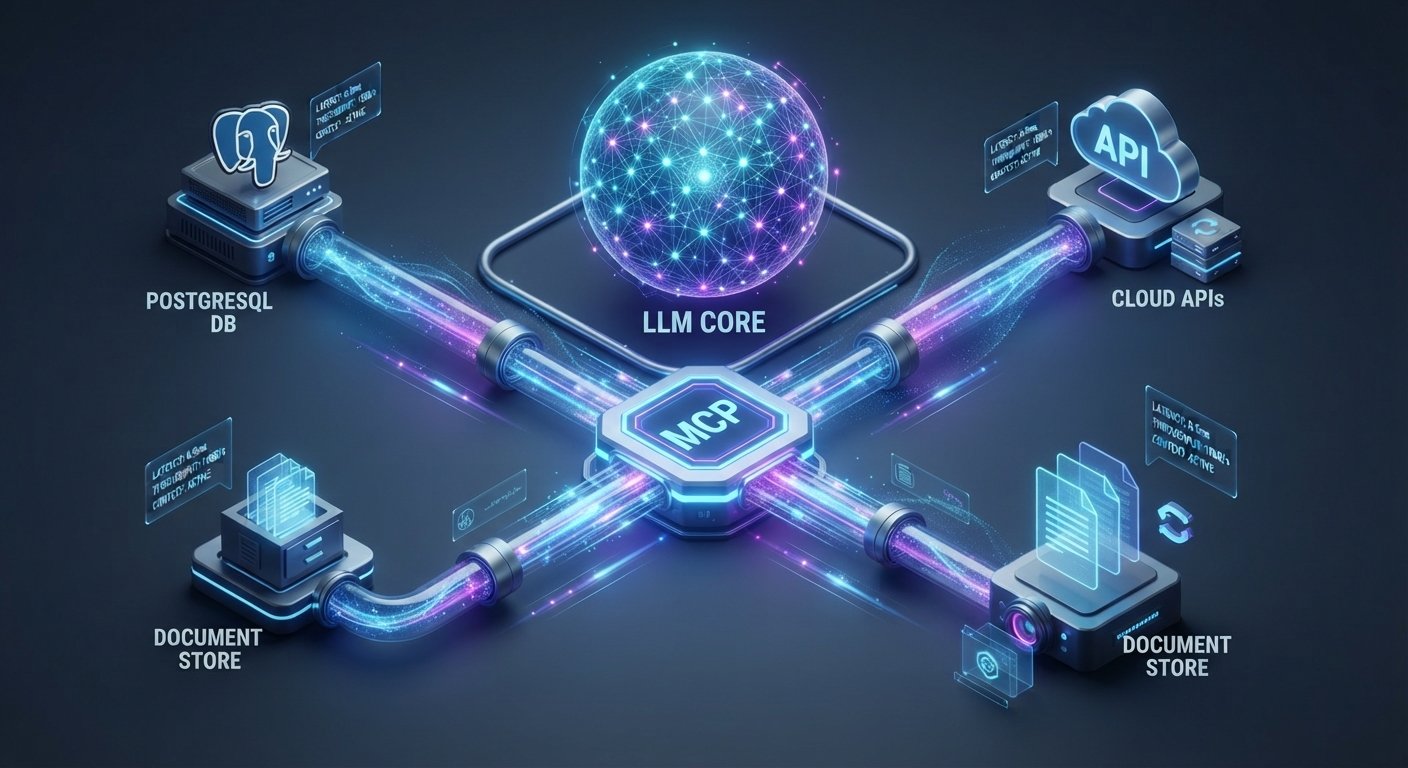
Model Context Protocol integration guide

Connecting Large Language Models (LLMs) to private databases, internal APIs, and proprietary documents has traditionally required brittle, one-off integration pipelines. The Model Context Protocol integration guide provides developers and enterprise teams with a standardized blueprint to connect AI models to custom data sources. Created as an open-source standard to unify how AI applications interface with … Read more
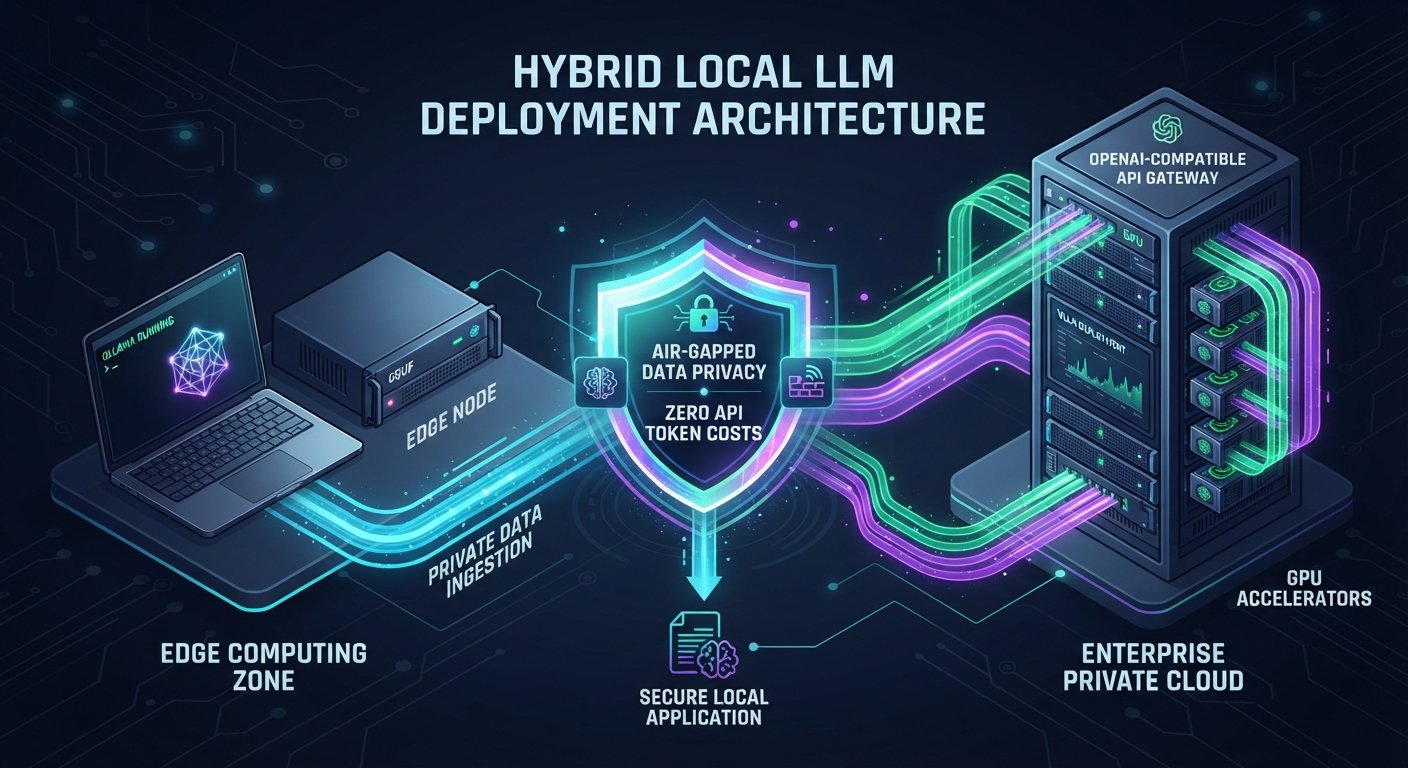
learn Deploying Local LLMs on Edge Devices and Private Servers Using Ollama & vLLM

Deploying Local LLMs

Relying on public cloud LLM APIs poses major risks for enterprise software teams, including escalating per-token operating costs, unpredictable latency spikes, and severe compliance hazards regarding proprietary data privacy. When sensitive intellectual property, medical records, or corporate data are sent across external networks, compliance frameworks like HIPAA, GDPR, and SOC2 can easily be compromised. Deploying … Read more

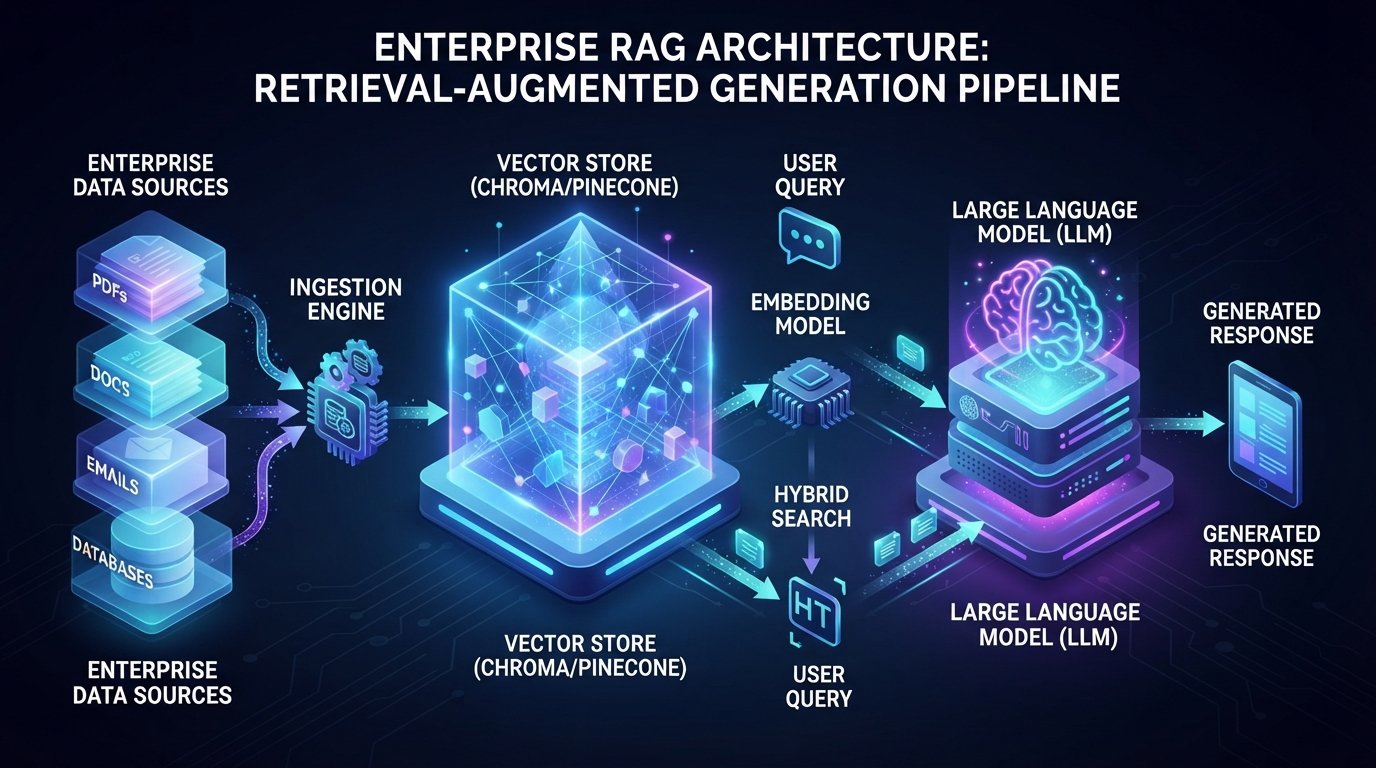
How to Build an Enterprise Retrieval-Augmented Generation (RAG) Pipeline with Vector Databases Explained

Build an Enterprise Retrieval-Augmented Generation

Large Language Models (LLMs) excel at reasoning and natural language understanding, but they suffer from two major limitations in enterprise settings: static knowledge cutoffs and a tendency to hallucinate non-existent facts. Training or fine-tuning proprietary models on enterprise data is often prohibitively expensive, slow, and risky regarding data privacy. How to build an enterprise Retrieval-Augmented … Read more

Understanding Database Indexing: B-Trees, Hash Indexes, and GiST Explained

Understanding Database Indexing

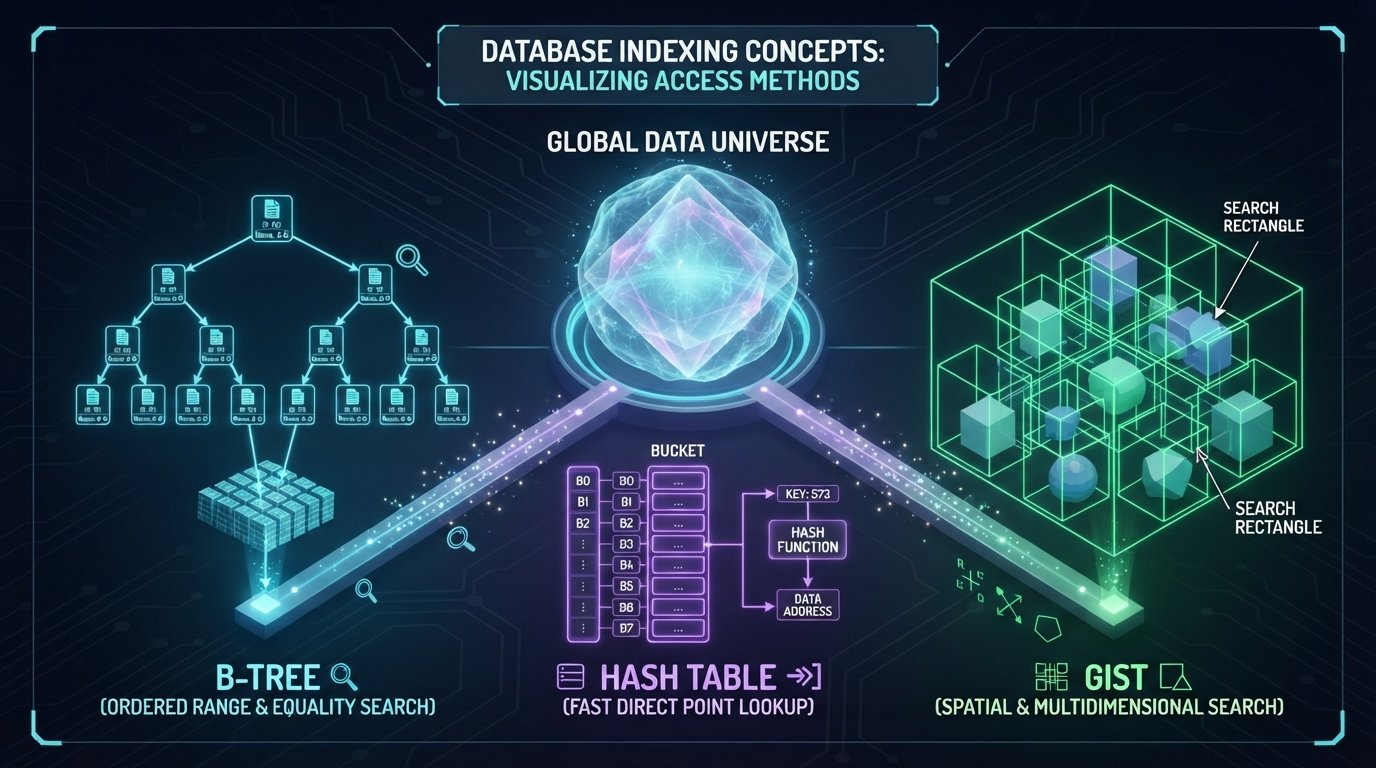
Database performance can make or break an application as data volume scales. When a database executes a query without an index, it performs a sequential scan—reading every single page on disk to locate matching rows. On tables with millions of records, this results in unacceptably high latency, high CPU usage, and I/O bottlenecks.Understanding Database Indexing. … Read more

How to Prevent and Remediate OWASP Top 10 Security Risks in Node.js

Prevent and Remediate OWASP

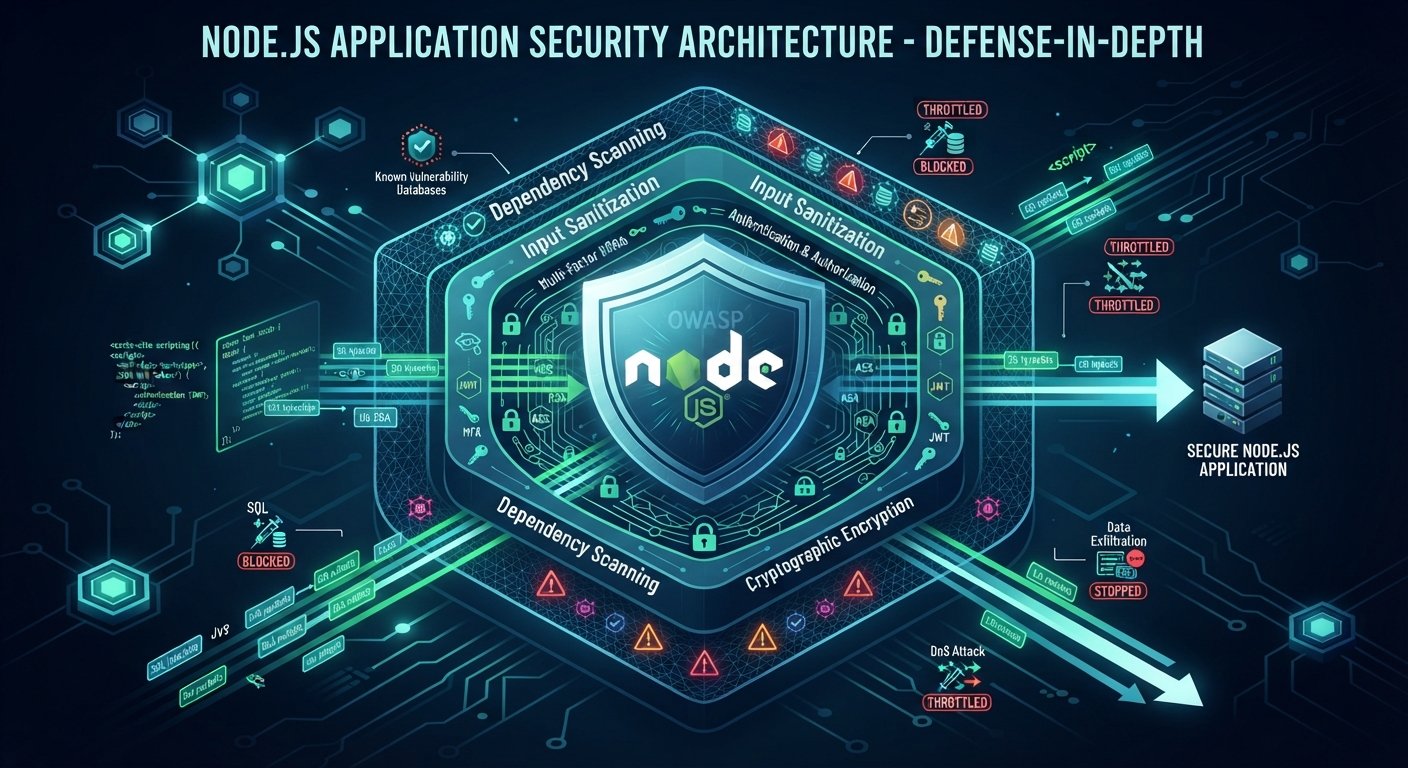
Node.js has become the backbone of modern web applications, microservices, and serverless architectures due to its asynchronous, event-driven runtime. However, its speed and modular ecosystem introduce a broad attack surface. Unhandled asynchronous exceptions, vulnerable npm packages, and flawed access control logic can expose enterprise applications to catastrophic security breaches. How to prevent and remediate OWASP … Read more

Implementing Rate Limiting and Throttling Algorithms in Microservices

Implementing Rate Limiting and Throttling Algorithms

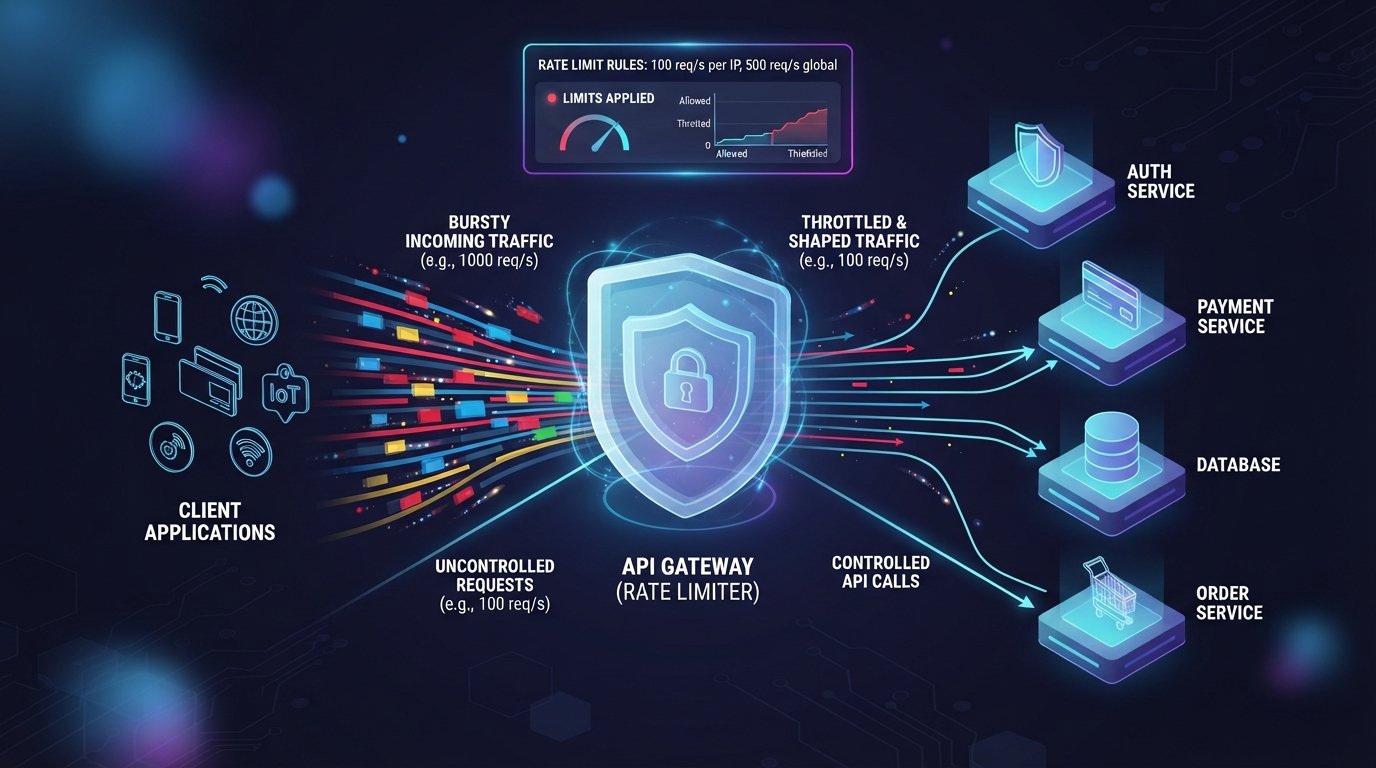
Implementing Rate Limiting and Throttling Algorithms In distributed backend architectures, system stability hinges on how gracefully services handle traffic spikes. Uncontrolled API traffic—whether from legitimate user surges, aggressive web scrapers, or distributed denial-of-service (DDoS) attacks—can exhaust database pools, degrade latency, and trigger cascading service failures across your infrastructure. Implementing rate limiting and throttling algorithms in … Read more

WebSockets vs. Server-Sent Events vs. Long Polling: Architectural Deep Dive

WebSockets vs. Server-Sent Events vs. Long Polling

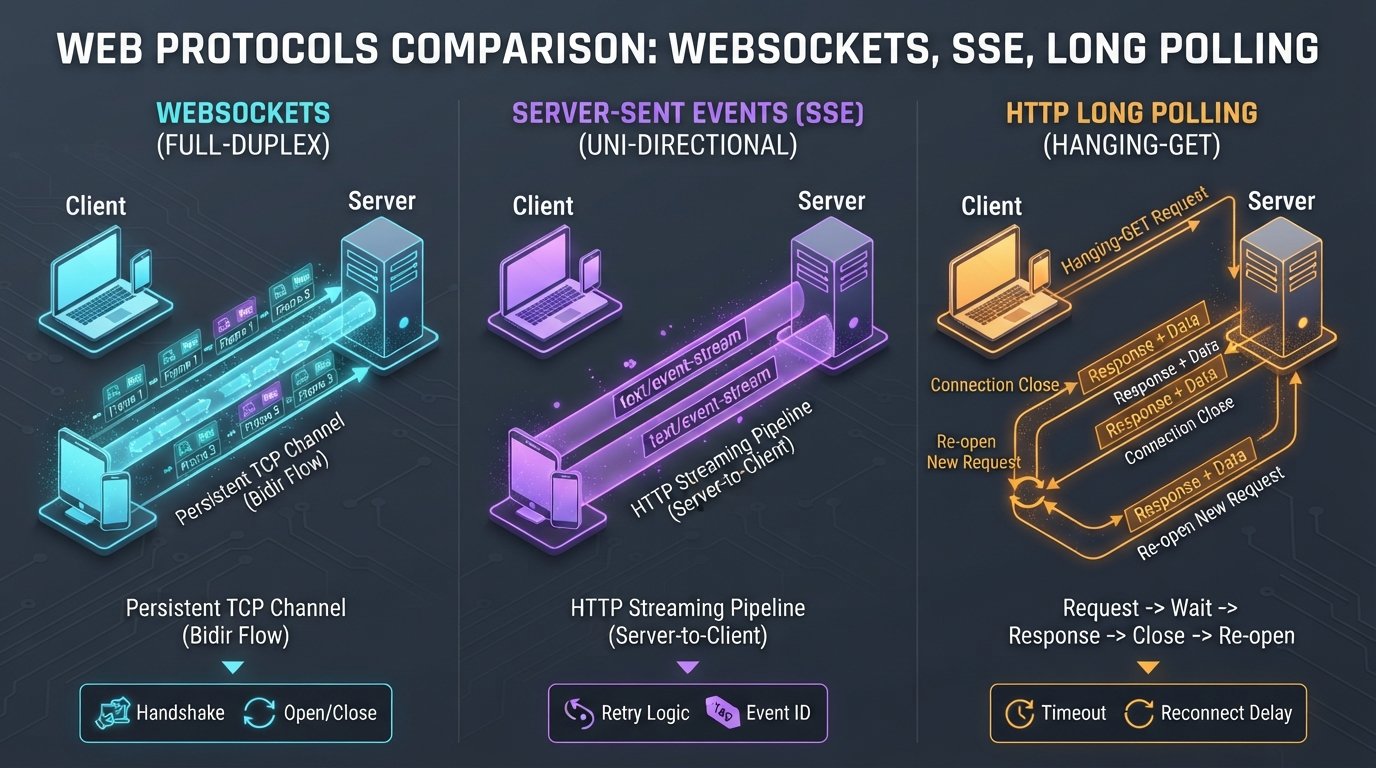
Building real-time web applications requires moving beyond traditional HTTP request-response semantics. In standard web interactions, the client initiates every transaction, leaving the server unable to push spontaneous updates without explicit client polling. As modern web applications—such as collaborative workspace tools, financial trading terminals, live sports scores, and social notifications—demand instantaneous data delivery, software architects must … Read more

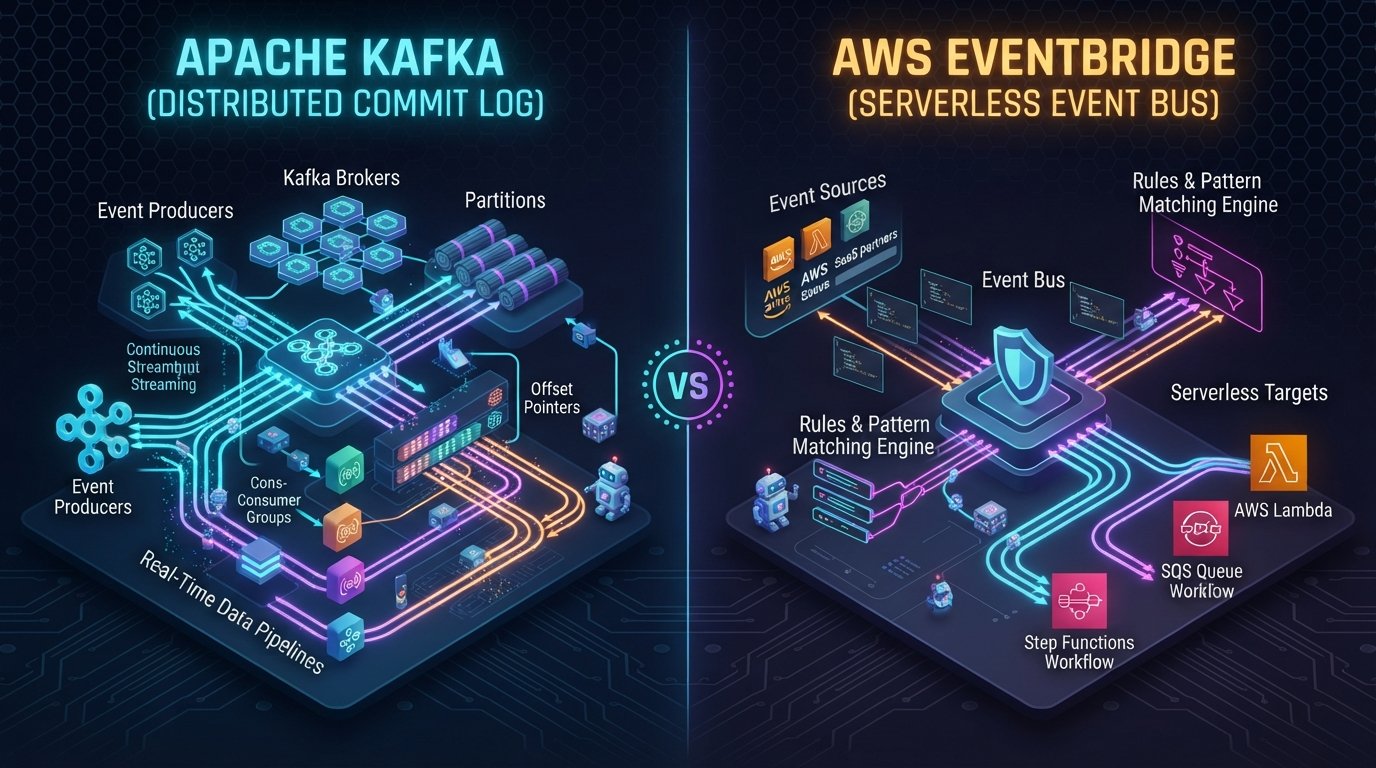
Designing Event-Driven Architecture: Apache Kafka vs. AWS EventBridge

Event-Driven Architecture

Modern distributed software systems rely heavily on decoupled, asynchronous communication to maintain high availability and elasticity. Event-Driven Architecture (EDA) replaces rigid, synchronous REST or gRPC HTTP chains with an asynchronous model where independent microservices react to events published into an intermediary message backbone. However, choosing the right infrastructure backbone for event-driven systems is critical. Selecting … Read more

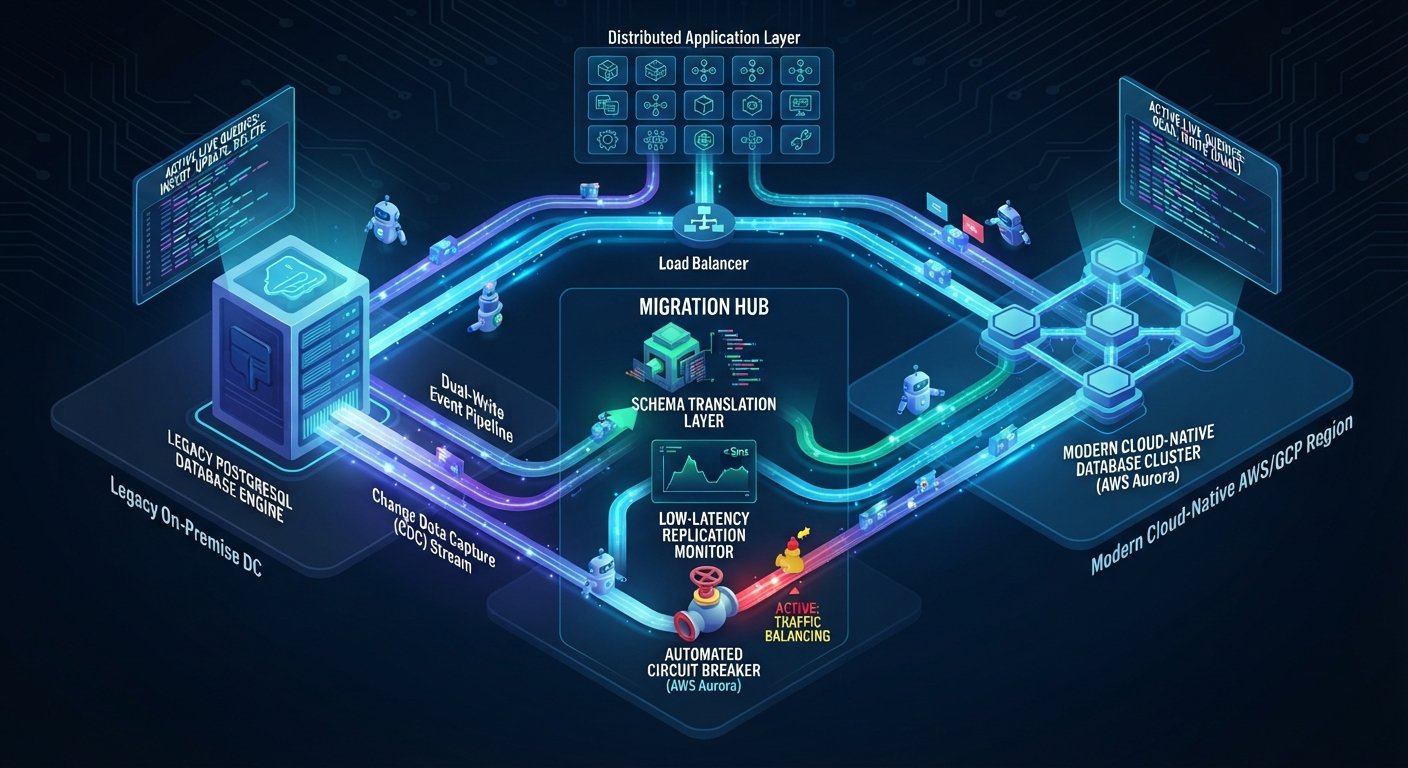
How to Design Zero-Downtime Database Migration in High-Traffic Systems

Zero-Downtime Database Migration

Executing schema changes or migrating database engines in high-traffic applications is one of the most operationally sensitive challenges in software engineering. In low-traffic legacy applications, operations teams could schedule weekend maintenance windows, set the system to read-only, dump the database, apply schema migrations, and point application instances to the new target. However, in modern global … Read more

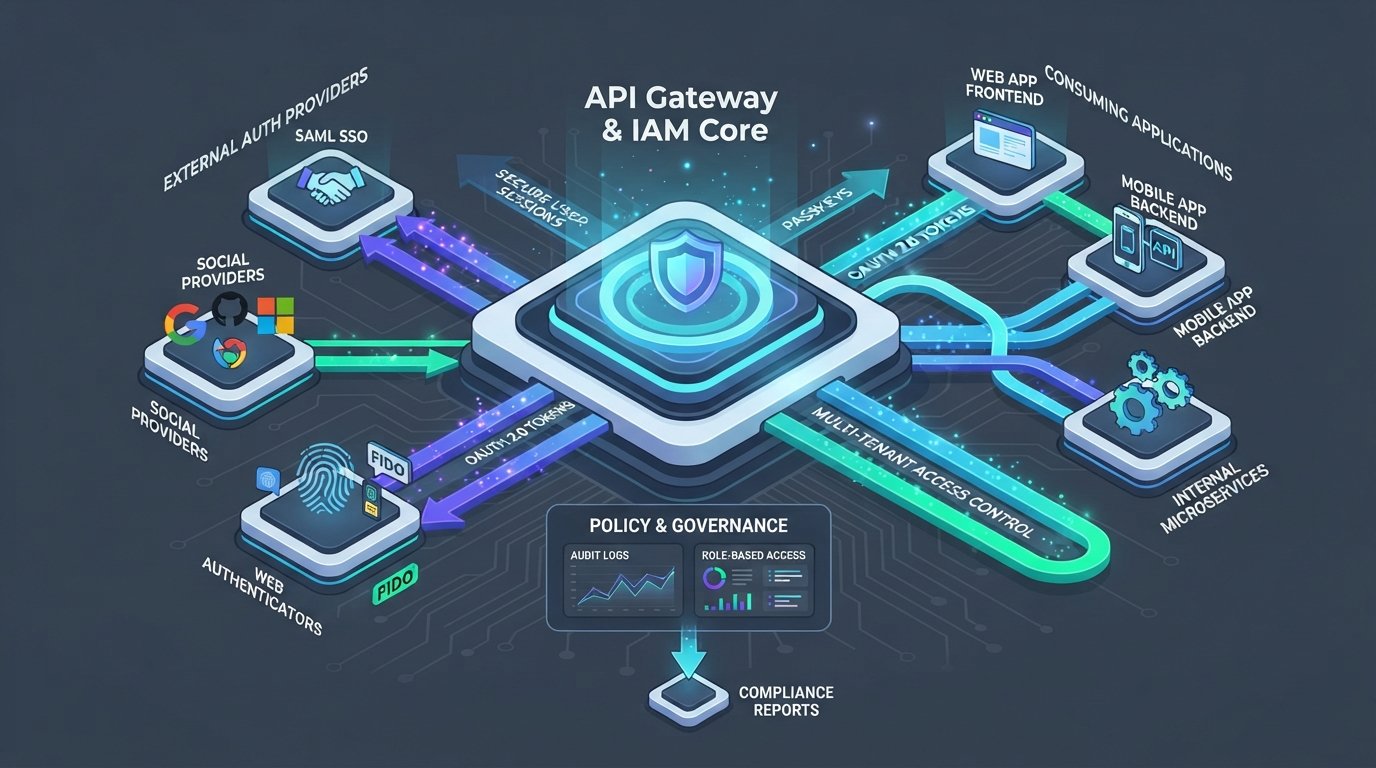
Best IAM Platforms for Developers: 2026 Guide

Best IAM Platforms for Developers

Modern software architecture relies on fast, secure, and flexible identity infrastructure. Implementing authentication and authorization from scratch introduces significant security risks—from handling password hashing and refresh tokens to maintaining complex multi-tenant access controls. For modern engineering teams, outsourcing identity to specialized Identity and Access Management (IAM) platforms has become standard practice. Finding the best IAM … Read more