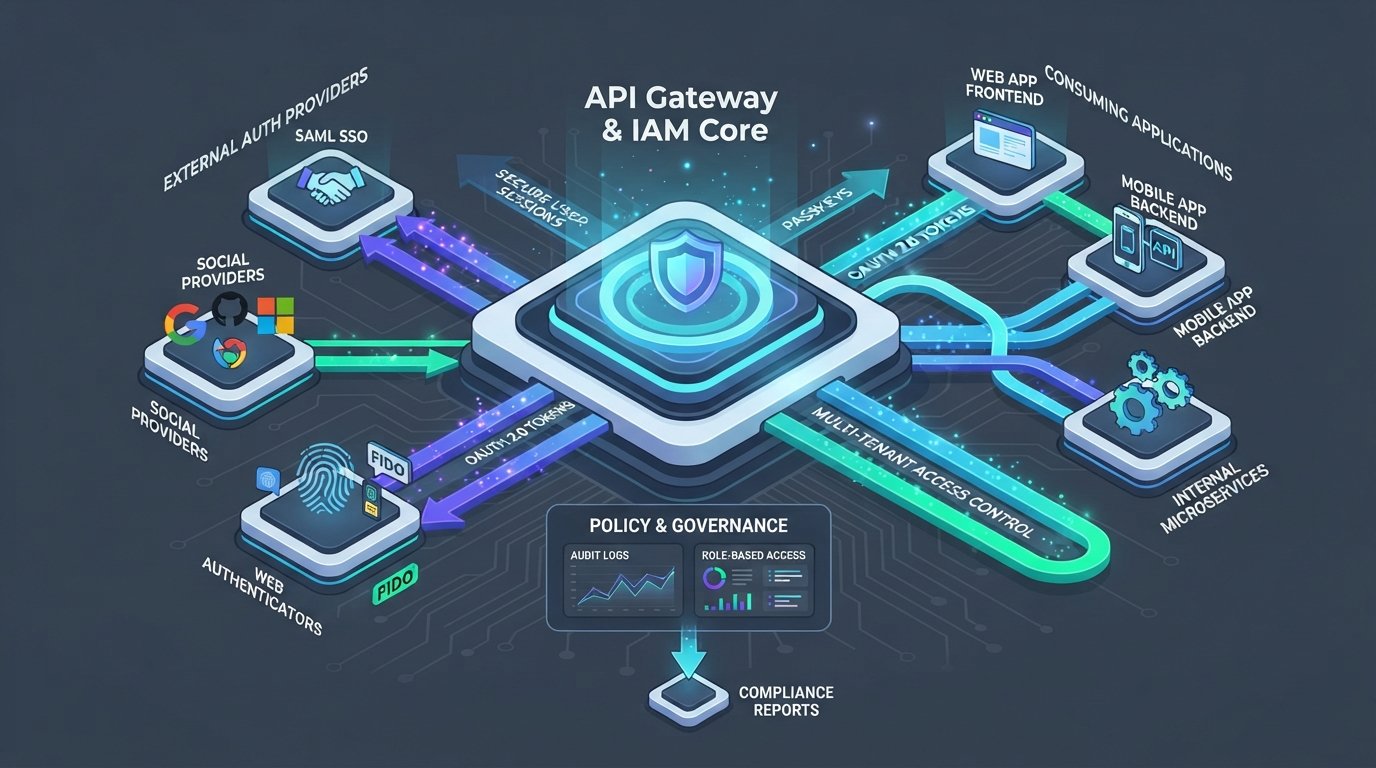
Modern software architecture relies on fast, secure, and flexible identity infrastructure. Implementing authentication and authorization from scratch introduces significant security risks—from handling password hashing and refresh tokens to maintaining complex multi-tenant access controls. For modern engineering teams, outsourcing identity to specialized Identity and Access Management (IAM) platforms has become standard practice.
Finding the best IAM platforms for developers requires balancing quick integration with long-term security features. A developer-focused identity provider must deliver lightweight SDKs, clear documentation, pre-built frontend UI components, and seamless support for modern protocols like OAuth 2.0, OpenID Connect (OIDC), SAML SSO, and passkeys. This guide analyzes top developer-centric IAM platforms based on implementation speed, B2B multi-tenancy capabilities, and enterprise readiness.
Key Takeaways
- Developer Experience (DX) Accelerates Time-to-Market: Platforms offering drop-in React and Next.js UI components (like Clerk) reduce authentication setup from weeks to under an hour.
- Enterprise B2B SaaS Demands Native Multi-Tenancy: B2B applications require explicit tenant isolation, organizational account switching, SCIM directory provisioning, and SAML 2.0 single sign-on.
- Shift to Passkeys and Passwordless Security: Modern IAM platforms are prioritizing WebAuthn, FIDO2, and passkey authentication while deprecating vulnerable legacy channels like SMS-based OTPs.
- Composable Auth Stacks vs. Full Platforms: Developers can choose between all-in-one customer identity platforms (Auth0, Clerk) or targeted enterprise add-ons (WorkOS) that layer SAML SSO onto existing authentication setups.
Technical Evaluation Criteria for Developer-First IAM Platforms
When selecting an Identity and Access Management solution for application development, engineering teams should assess these core technical primitives:
- SDK and Framework Ecosystem: Native libraries for modern frontend frameworks (React, Next.js, Vue, Svelte) and robust backend SDKs (Node.js, Go, Python, Rust).
- Flexible Auth Primitives: Native support for social logins, passwordless magic links, biometric passkeys, Multi-Factor Authentication (MFA), and Role-Based Access Control (RBAC).
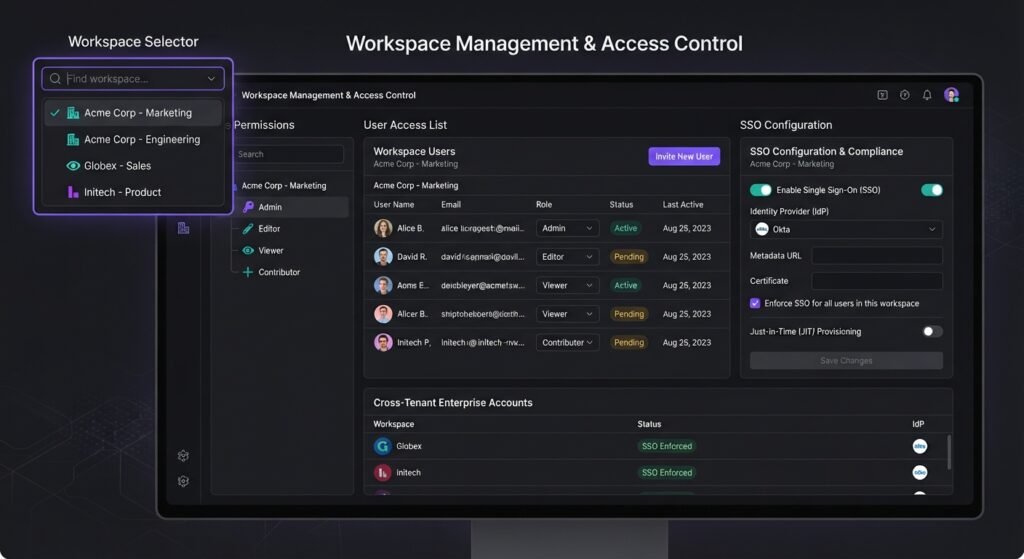
- B2B Organization Management: Out-of-the-box support for multi-tenant accounts, team invitation flows, and domain-matching sign-ins.
- Enterprise Provisioning & SSO: Seamless routing for Enterprise Identity Providers (Okta, Microsoft Entra ID, Google Workspace) via SAML and automated SCIM user lifecycle management.
- Security & Compliance: Compliance with SOC 2 Type II, ISO 27001, HIPAA, and GDPR, backed by customizable session token handling and automated threat defense.
[Internal Link: Insert relevant internal URL here with anchor text – “Read our in-depth technical guide on implementing Zero Trust security architecture for web applications”]
Top IAM Platforms for Developers Evaluated
1. Clerk: Best for Modern Web Frameworks & Rapid Developer Experience
Clerk is purpose-built for React, Next.js, and modern full-stack web platforms. It provides fully styled, pre-built UI components for sign-in, user profiles, and organization management, allowing developers to deploy secure authentication in minutes.
- Best For: B2C and fast-growing B2B SaaS applications built on modern JavaScript/TypeScript stacks.
- Key Features: Drop-in
<SignIn/>and<OrganizationSwitcher/>components, native Next.js middleware support, built-in passkey flows, and flexible user management. - Pros: Unmatched developer experience, beautiful default UIs, fast setup, native multi-tenant organization primitives.
- Cons: Heavily optimized for web and React environments; less tailored for legacy backend stacks or highly customized, bespoke UI needs.
2. Auth0 (by Okta): Best for Enterprise Scale & Comprehensive Feature Depth
Auth0 remains an industry benchmark for developer-driven customer identity. It offers extensive configuration options, wide protocol support, and fine-grained rule/action customization scripts.
- Best For: Mid-market and enterprise platforms requiring complex identity orchestration and multi-environment deployments.
- Key Features: Universal Login hosted flows, extensive SDK library across all programming languages, extensibility via Auth0 Actions, and enterprise federation.
- Pros: Mature ecosystem, comprehensive identity features, support for nearly every legacy and modern protocol.
- Cons: Monthly Active User (MAU) pricing ramps steeply for enterprise tiers, and setup can feel heavy compared to newer DX-focused alternatives.
3. WorkOS: Best for Adding Enterprise SSO & SCIM to B2B SaaS
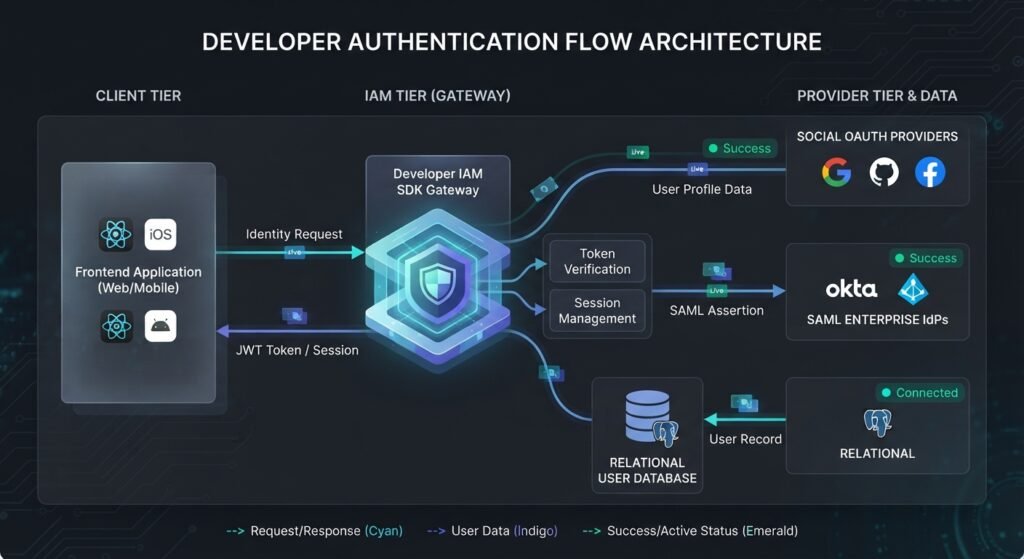
WorkOS takes a modular API approach to application identity. Instead of replacing your primary authentication stack, WorkOS acts as a bridge to unlock enterprise features like SAML Single Sign-On and SCIM directory synchronization.
- Best For: B2B SaaS companies needing to pass enterprise security reviews and sell to mid-market or enterprise buyers.
- Key Features: Embeddable Admin Portal for customer self-serve SSO onboarding, SCIM directory sync engine, audit logs, and magic link authentication.
- Pros: Developer-friendly APIs, white-labeled portal that eliminates support tickets, predictable per-connection pricing.
- Cons: Designed specifically for B2B enterprise features rather than acting as a standalone, B2C consumer identity store.
4. Supabase Auth: Best for Open-Source & Postgres-Centric Applications
Supabase Auth is built directly on top of PostgreSQL, taking full advantage of Row Level Security (RLS) policies. It provides a complete identity engine tightly integrated with the broader Supabase open-source backend suite.
- Best For: Developers building on PostgreSQL who want native database-level authorization and open-source infrastructure.
- Key Features: Native Postgres Row Level Security integration, social providers, magic links, phone auth, and auto-generated JWTs.
- Pros: Deep integration with database permissions, open-source core, cost-effective pricing tied to overall backend usage.
- Cons: Advanced enterprise features like complex SAML workflows require additional setup compared to dedicated enterprise platforms.
[External Link: Insert high-authority external URL here with anchor text – “Explore the official OWASP Authentication and Session Management Cheat Sheet”]
Feature Comparison Matrix
| Feature / Platform | Clerk | Auth0 | WorkOS | Supabase Auth |
| Primary Architecture | Managed Identity Platform | Managed Enterprise IdP | Modular B2B API Layer | Database-Integrated Engine |
| Best Architectural Fit | Next.js / React Web Apps | Complex / Multi-Stack Apps | B2B SaaS Enterprise SSO | Postgres / Open-Source Apps |
| Pre-Built UI Components | Yes (Fully Customizable) | Yes (Hosted Universal Login) | Yes (Self-Serve Admin Portal) | Minimal (UI Libraries) |
| Multi-Tenancy Primitives | Native Organizations | Configurable Tenants | Native B2B Organizations | Custom RLS Policies |
| Pricing Model | MAU-Based | MAU-Based | Per Enterprise Connection | Platform / DB Usage |
How to Select the Right Identity Infrastructure
To choose from the best IAM platforms for developers, select the option that best matches your tech stack and go-to-market strategy:
- For Modern React/Next.js Applications: Choose Clerk. Its pre-built components and developer-friendly workflows offer the fastest path to production for consumer and B2B web apps.
- For Complex Enterprise Ecosystems: Choose Auth0. Its extensive feature set, protocol coverage, and custom scriptable workflows accommodate complex multi-system setups.
- For B2B Startups Upselling to Enterprise Clients: Choose WorkOS. Pairing your existing auth stack with WorkOS allows you to offer enterprise-ready SAML SSO and SCIM provisioning quickly.
- For Postgres-Native & Open-Source Projects: Choose Supabase Auth. Its native Row Level Security policies simplify authorization directly at the database layer.
Conclusion
Selecting the best IAM platforms for developers comes down to balancing implementation speed, user experience, and future scaling requirements. Solutions like Clerk and Supabase Auth prioritize developer velocity and clean frontend-to-database integration, while platforms like Auth0 and WorkOS deliver the enterprise SSO, governance, and protocol breadth needed for larger business deals. By offloading identity management to a specialized platform, engineering teams can focus on building core application features while maintaining strong security standards.
Frequently Asked Questions (FAQs)
Why should developers use a third-party IAM platform instead of building custom authentication?
Building custom authentication requires continuously maintaining password encryption, session token rotation, CSRF protection, MFA integrations, and compliance audits. Third-party developer IAM platforms handle these security complexities automatically, reducing risk and allowing engineers to focus on core product functionality.
What is the difference between authentication and authorization in IAM platforms?
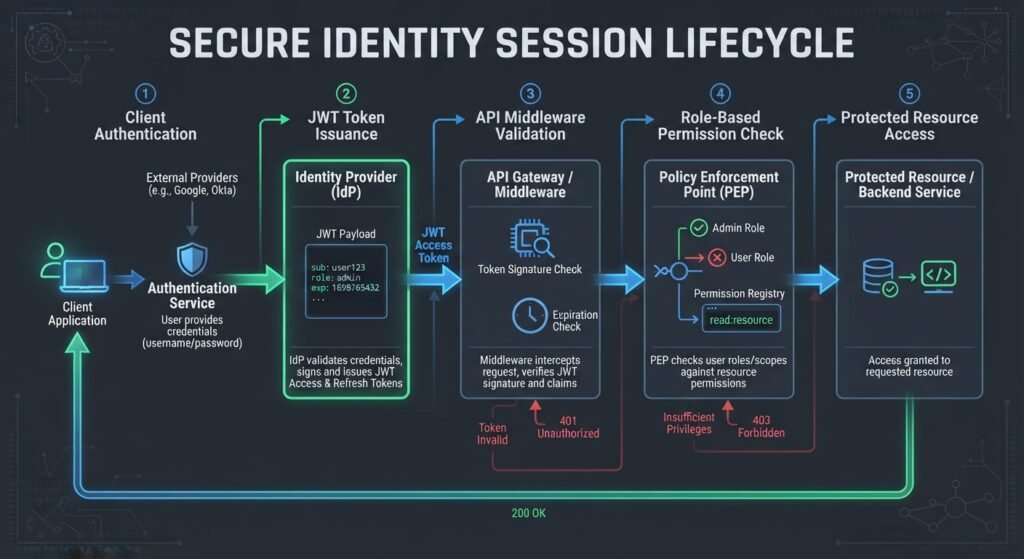
Authentication verifies who a user is (e.g., logging in via password, passkey, or OAuth). Authorization determines what that authenticated user is allowed to do (e.g., Role-Based Access Control or database policies). Modern developer IAM platforms often handle authentication out of the box while offering primitives to manage authorization policies.
How do developer IAM platforms support passkeys and passwordless logins?
Leading platforms support WebAuthn/FIDO2 standards natively. When integrated, the IAM provider coordinates public key cryptography directly with the user’s device (such as Apple Touch ID, Face ID, or Windows Hello), enabling secure, phishing-resistant logins without requiring passwords.
1 thought on “Best IAM Platforms for Developers: 2026 Guide”